The DFG Research Training Group GRK 2833 “East Asian Futures: Visions and Realisations on National, Transregional and Global Scales” held its Preliminary Results & Proposal Workshop from June 1–3, 2026, at the RUB Veranstaltungszentrum. For the first time, the workshop brought together both cohorts of the RTG in a joint format: while the doctoral researchers of Cohort I presented the preliminary results of their research, the members of Cohort II introduced their research proposals to the group for the very first time, thus marking an important milestone for the newer members of the programme.
About 60 people attended the workshop, among them the RTG’s doctoral and postdoctoral researchers, Qualifying Fellows and principal investigators, as well as the Mercator Fellows, renowned international guests, and friends and colleagues from AREA Ruhr and other projects. You may find an overview of the full workshop programme here.
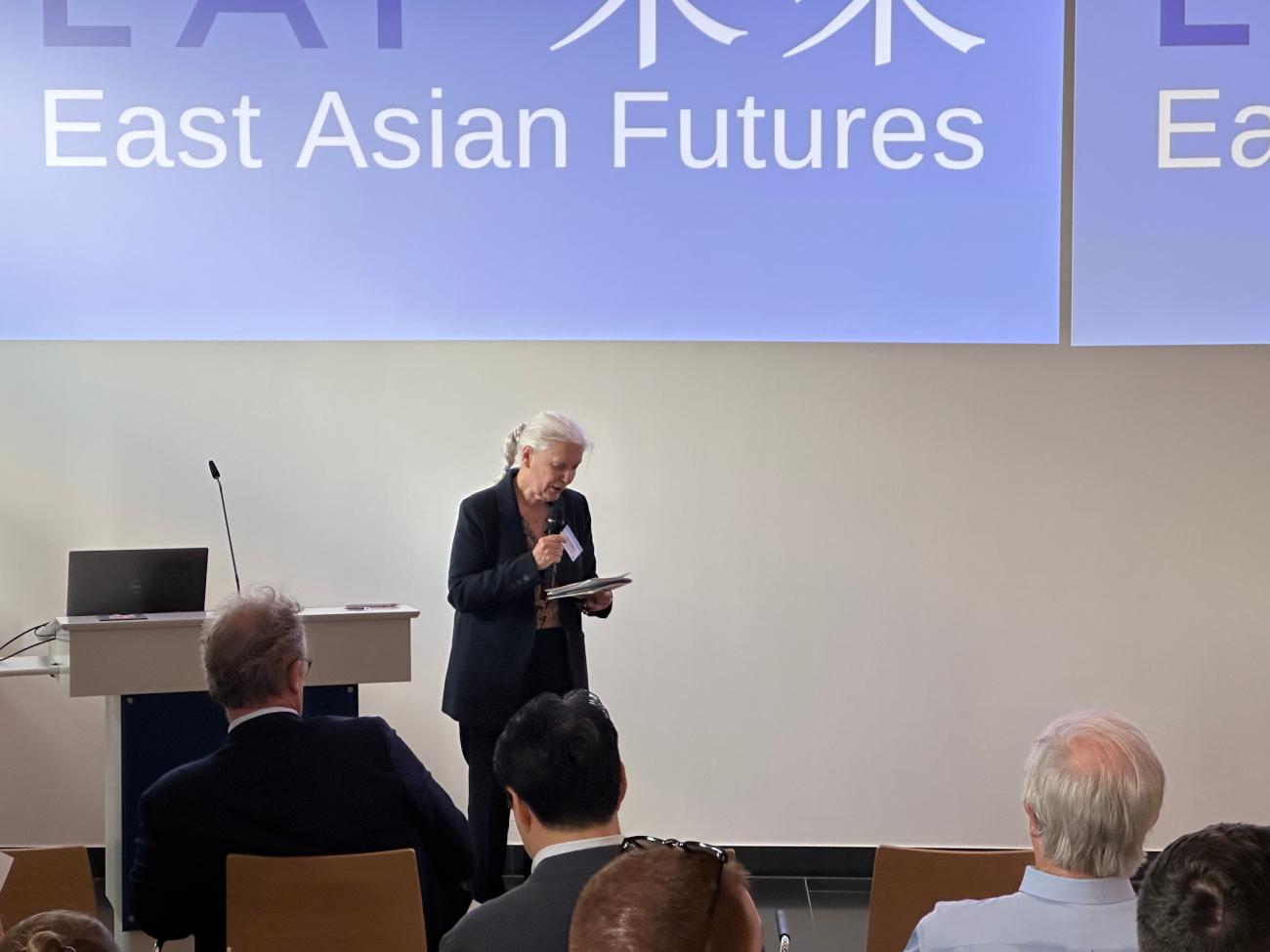
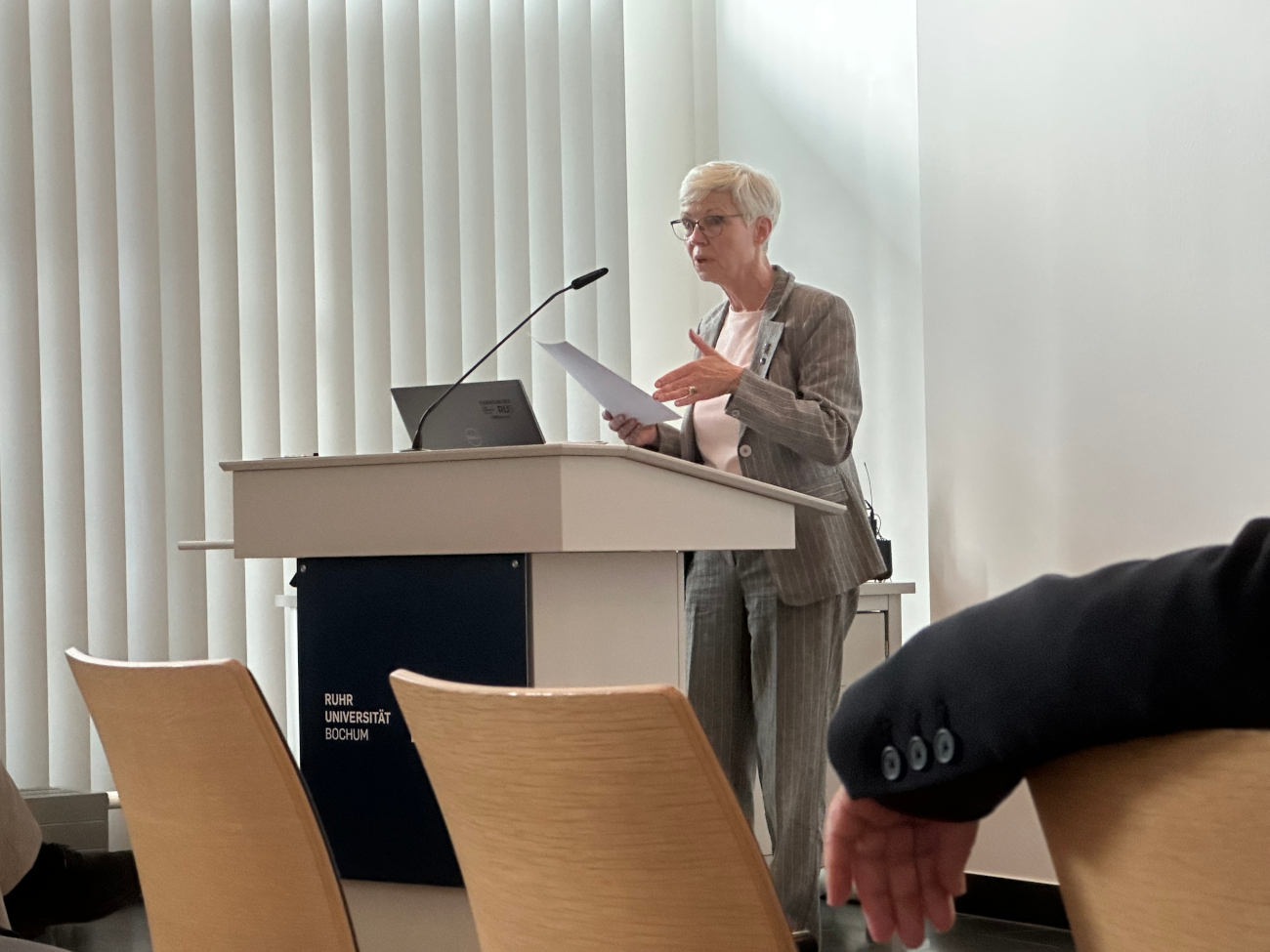
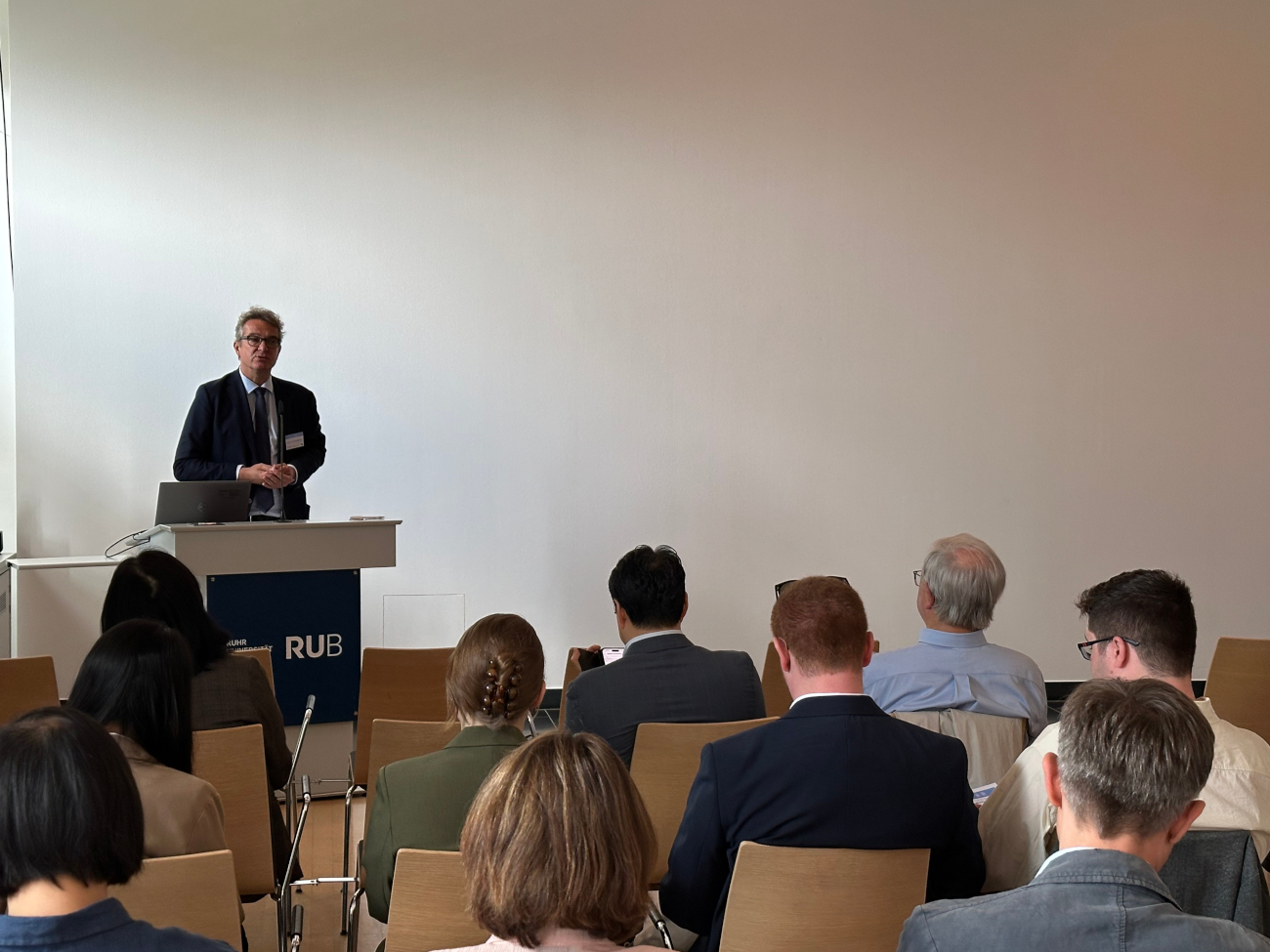
Following a brief introduction by speaker Prof. Dr. Christine MOLL-MURATA, the workshop opened on Monday morning with a welcome address by Prof. Dr. Kornelia FREITAG, Vice Rector for Academic Affairs at Ruhr University Bochum, who chose a unique and much-appreciated form for her opening remarks: a series of haikus. She was followed by Prof. Dr. Sebastian BERSICK, Dean of the Faculty of East Asian Studies, who offered warm words of welcome to open the three days of presentations and discussion.
Day One: Panels 1–4
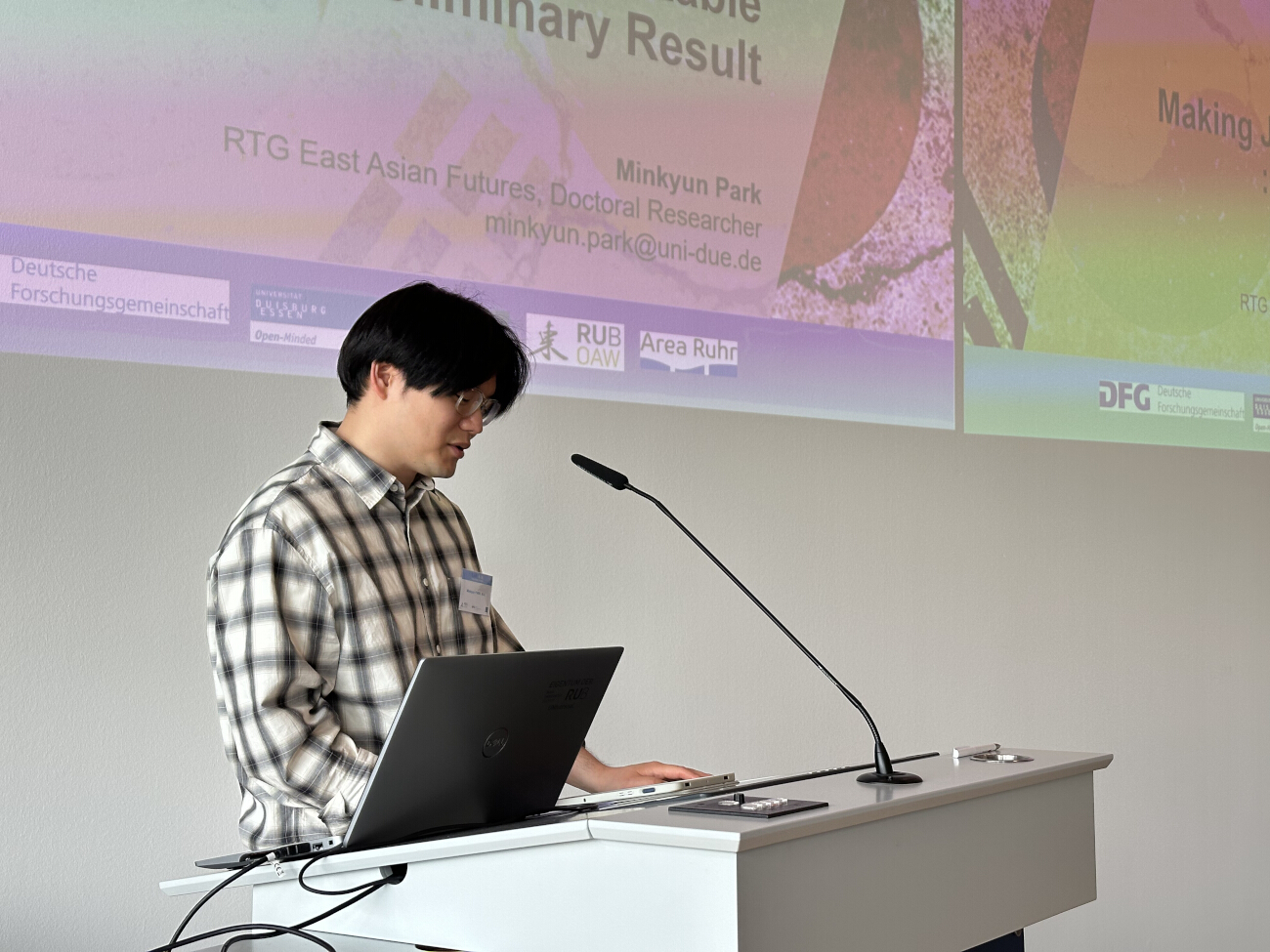
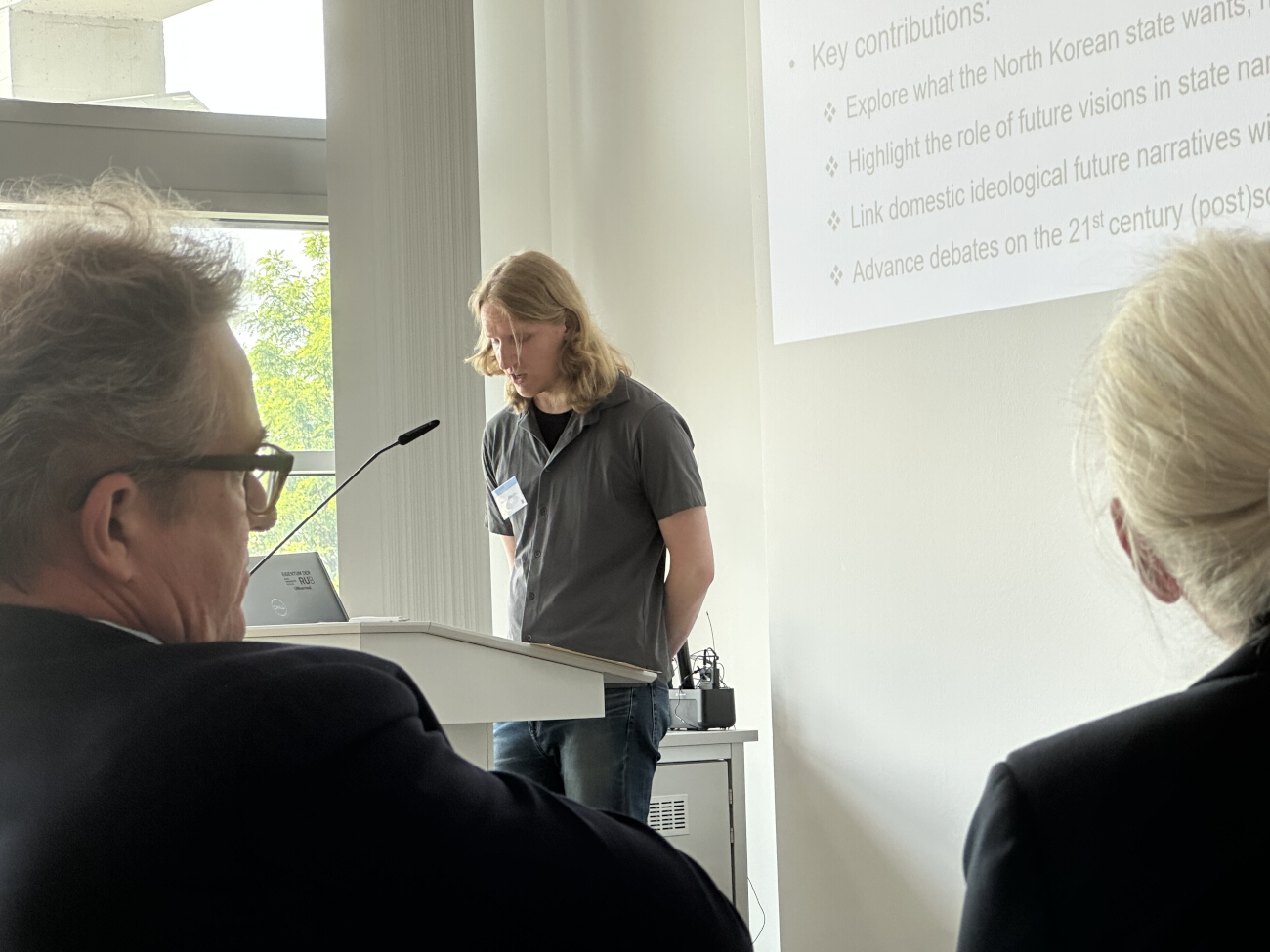
The first panel, chaired by Prof. Dr. Hannes MOSLER, opened with Minkyun PARK (Fracturing the National Self: Preliminary Findings on Competing Narratives around the 1965 Normalization in South Korea), followed by Eetu LAUSTELA (Depictions of the Future in North Korea’s “Socialist Civilization” Discourse: A Qualitative Content Analysis). Both presentations received comments from Mercator Fellow Prof. Hyung-Gu LYNN (University of British Columbia).
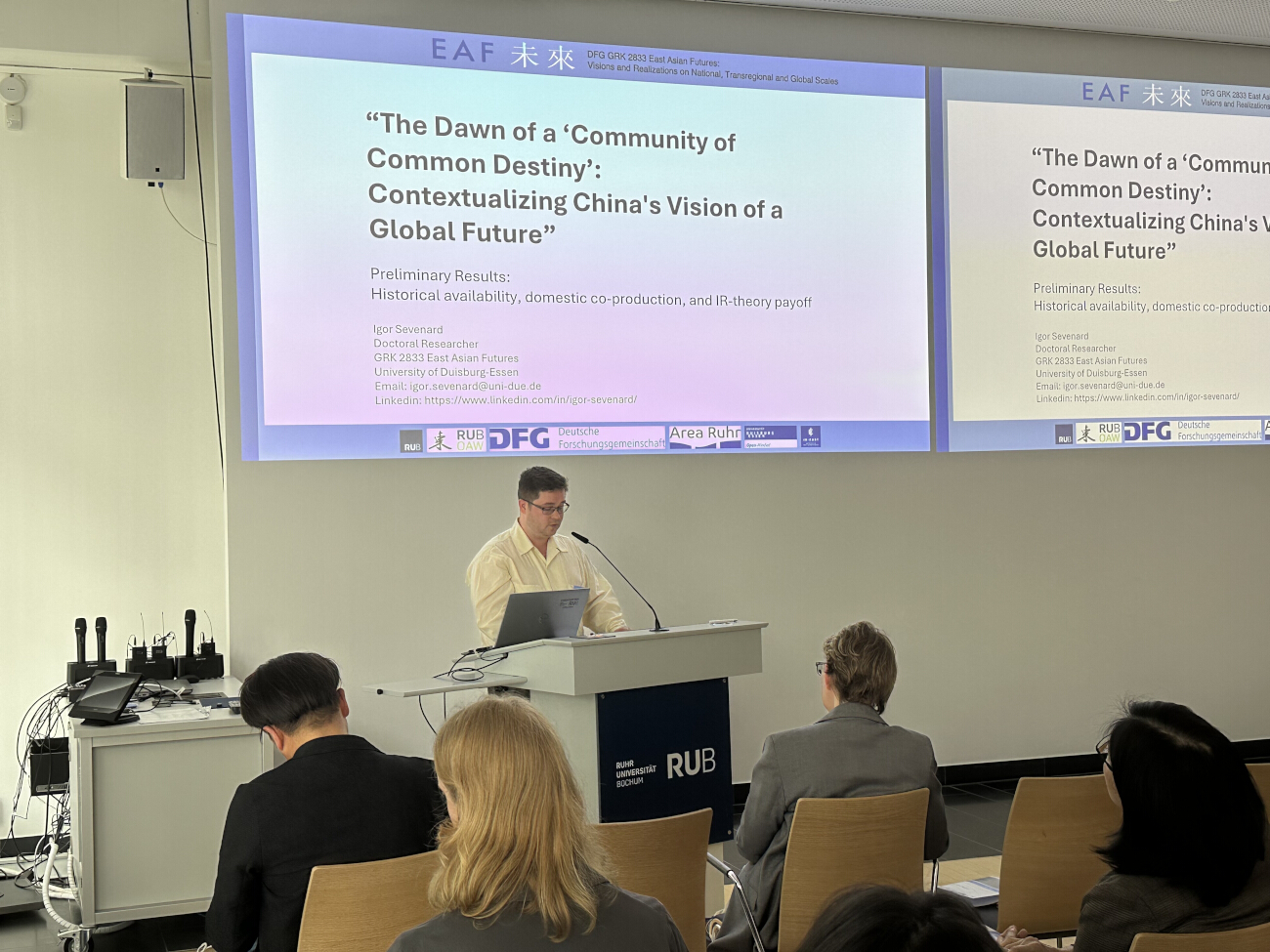
In the second panel, chaired by Prof. Hoduk HWANG (Sungkyunkwan University), Elisabeth RACHSTEIN presented on “Legitimation and the Resilience of Authoritarian Rule: A Comparative Study of Russia and North Korea”, with comments again from Prof. LYNN. She was followed by Igor SEVENARD, whose talk on “Authorized Ambiguity: The Domestic Production of China’s Community of Common Destiny (CCD)” was discussed by Mercator Fellow Prof. Brantly WOMACK (University of Virginia).
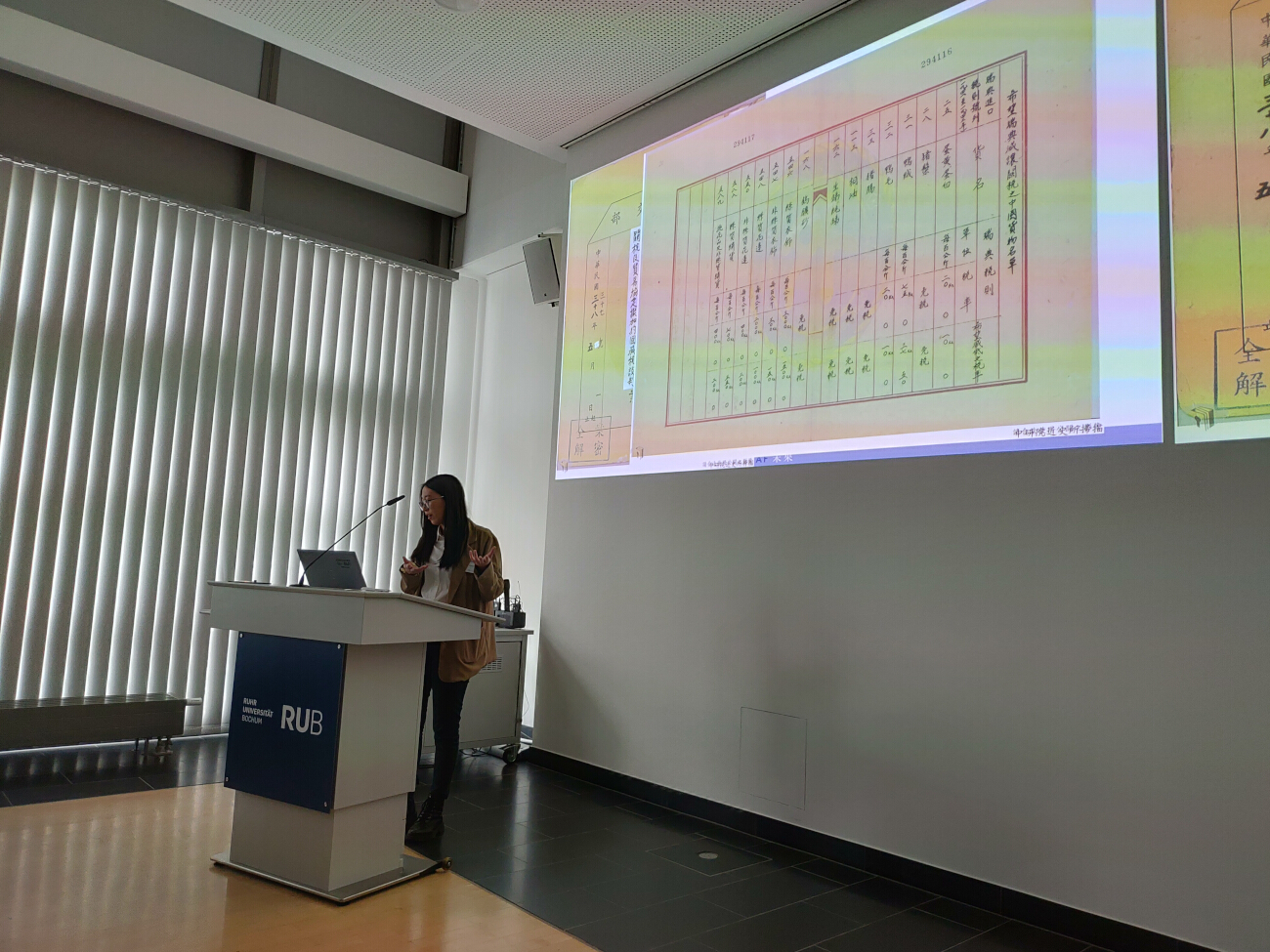
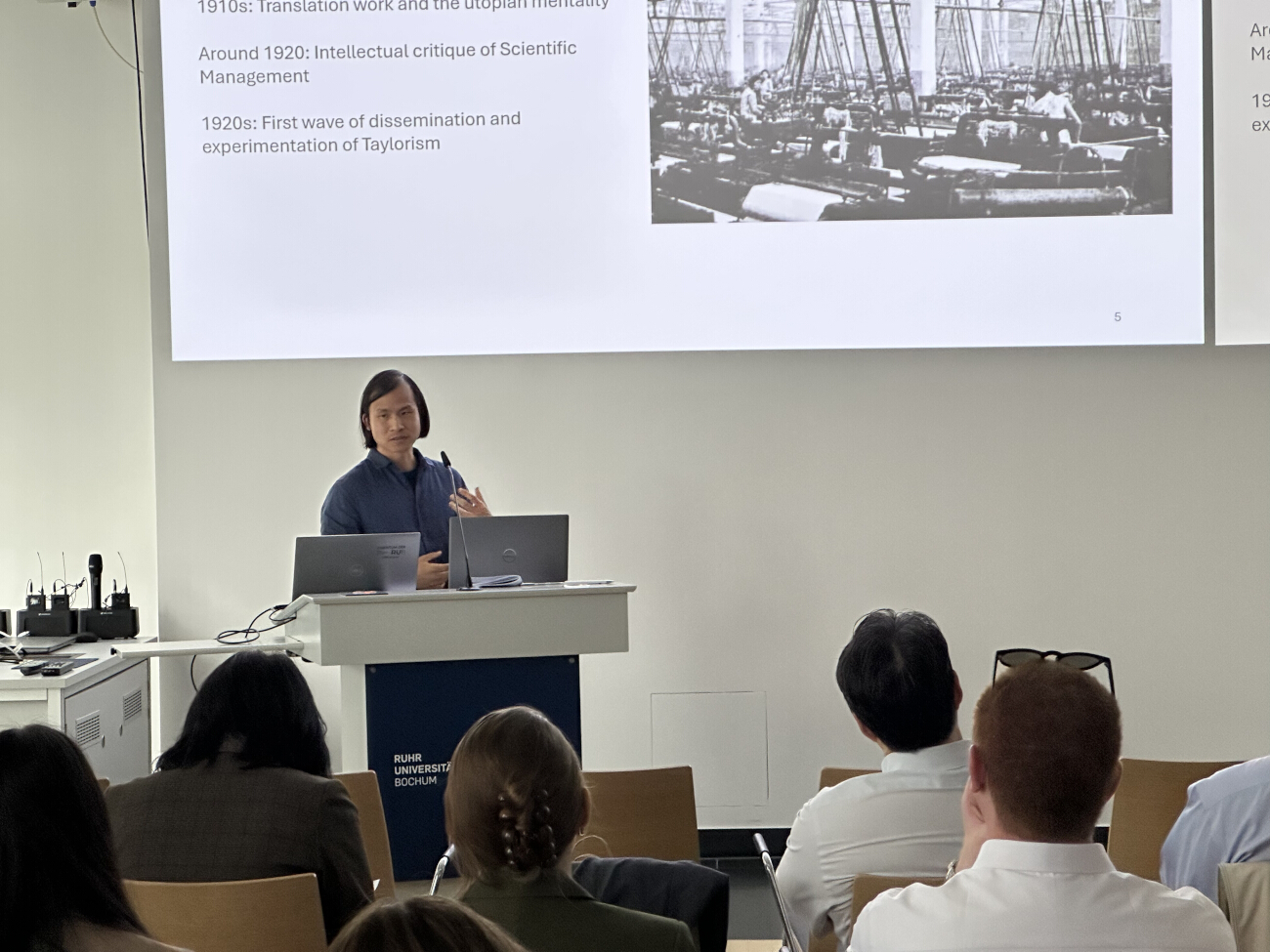
After the lunch break, Panel 3, chaired by Prof. Aaron William MOORE (University of Edinburgh), featured Pao-wen HUANG (GATT and Tariff Policy Choices: Debating Taiwan’s Economic Future in the Postwar Era) and Buyun GONG (Translating Managerial Thinking in Republican China, 1911–1927: The Self, the Social, and the Future), both commented on by Mercator Fellow Prof. Lin-Chun WU (National Taiwan Normal University).
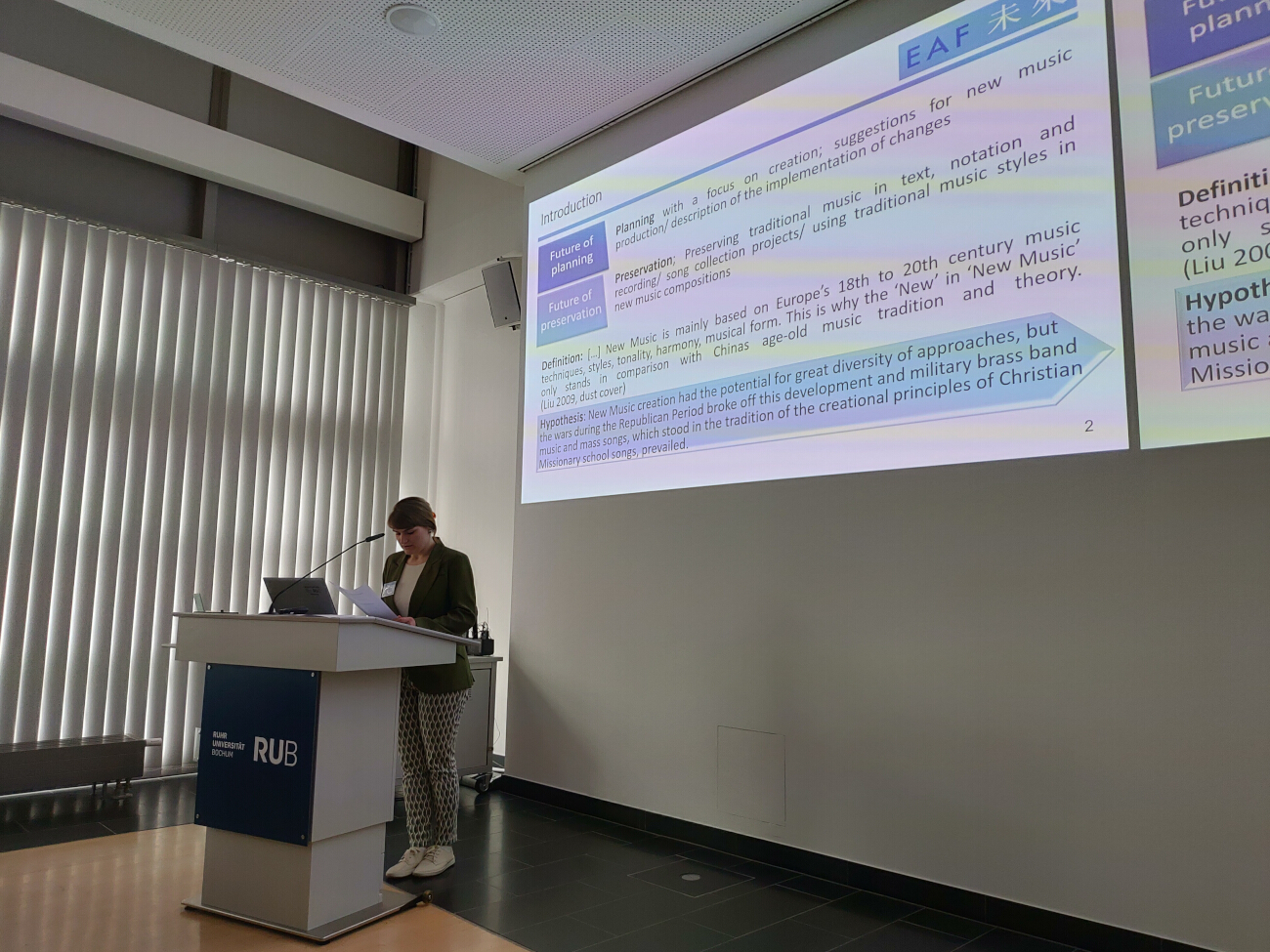
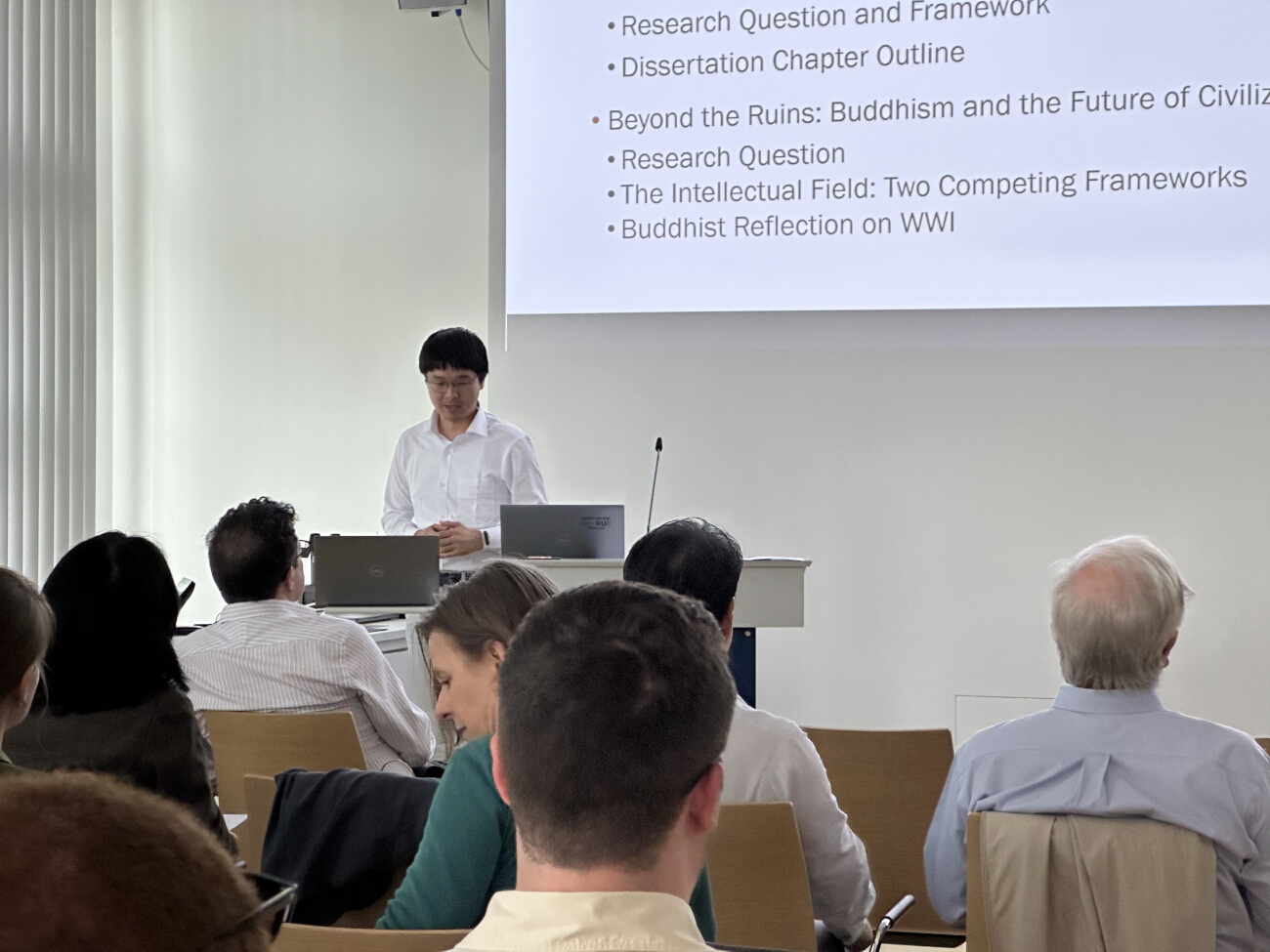
The day concluded with Panel 4, chaired by Prof. em. Flemming CHRISTIANSEN (University of Duisburg-Essen), in which Anna-Maria RAU (Future Conceptions within Discussions on Modern Music in Republican China, 1912–1949) and Ming-Feng WU (Beyond the Ruins of War: Buddhism and the Future of Civilization) presented their work, with comments from Prof. WOMACK and Prof. WU respectively. Following a concluding discussion, participants gathered for dinner at Q-West.
Day Two: Panels 5–7, and guided tours through the Chinese Garden
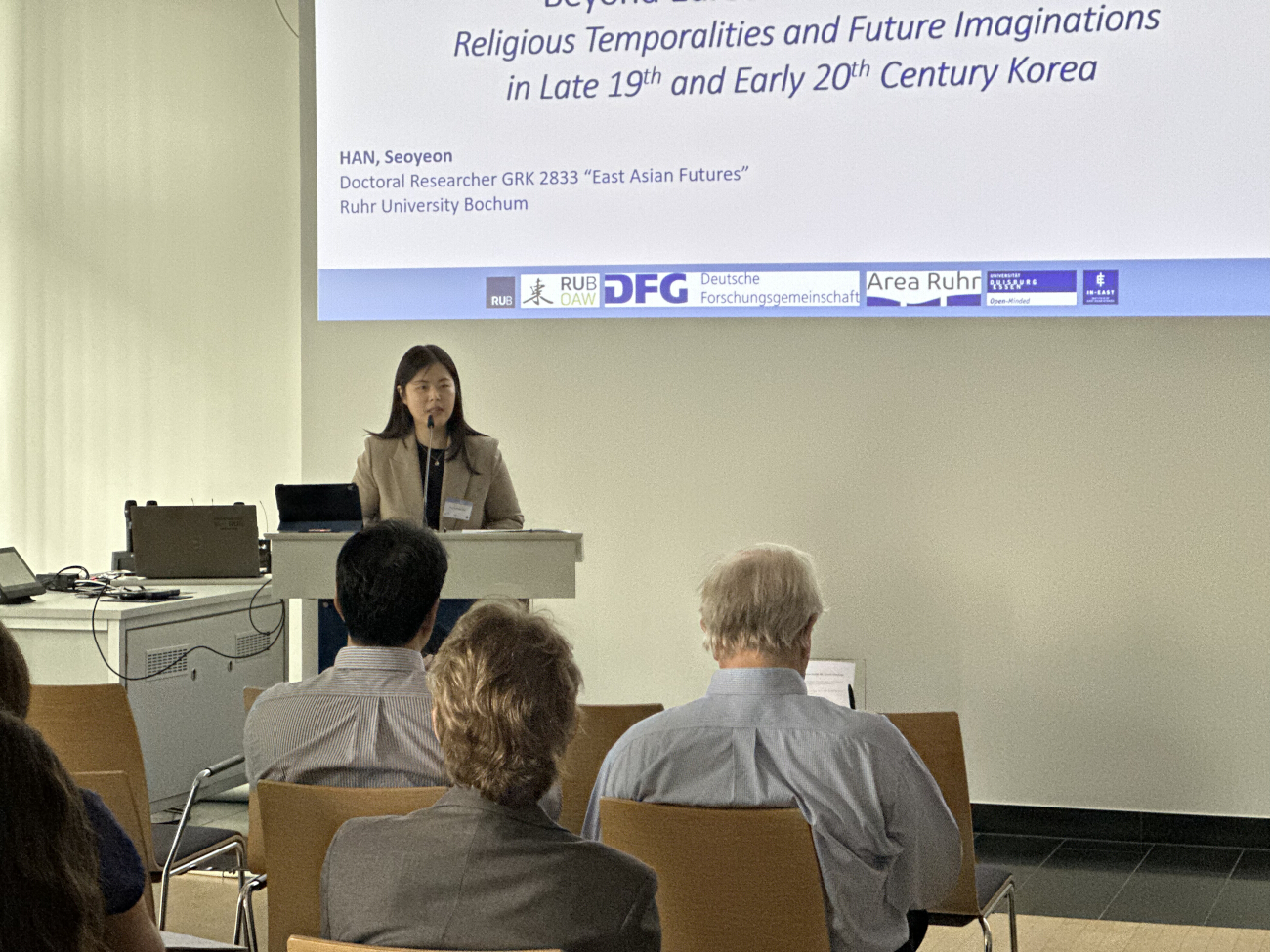
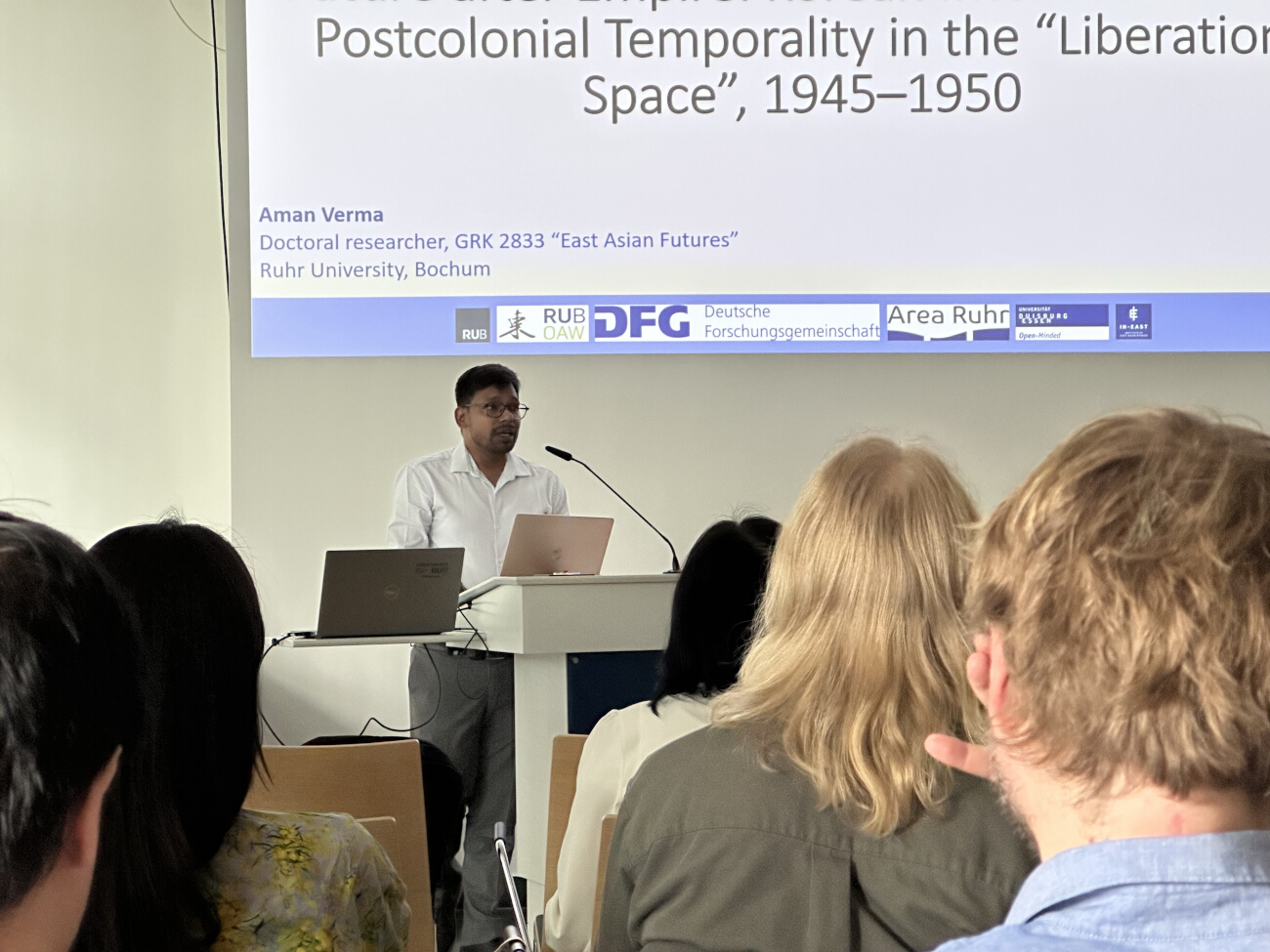
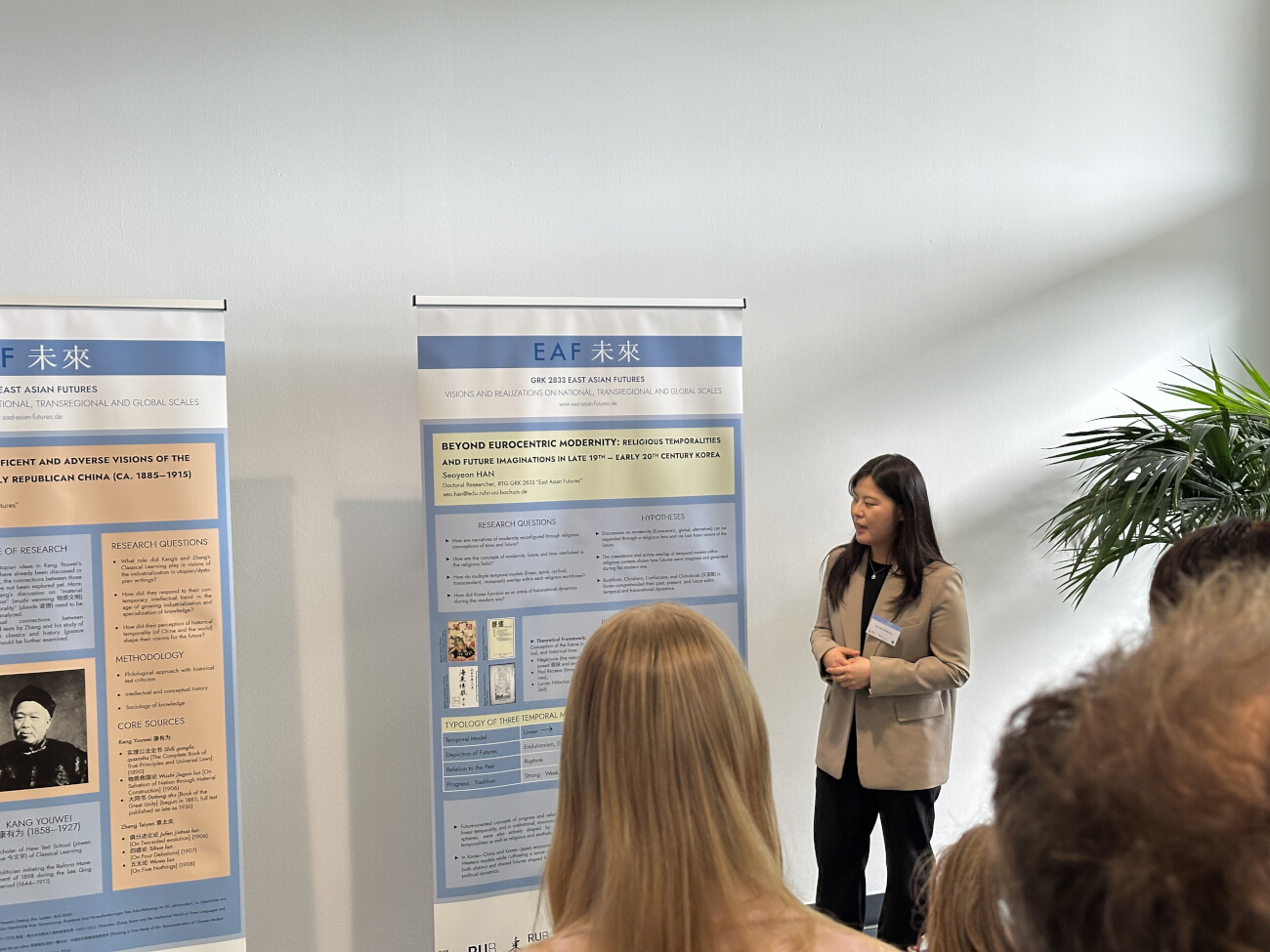
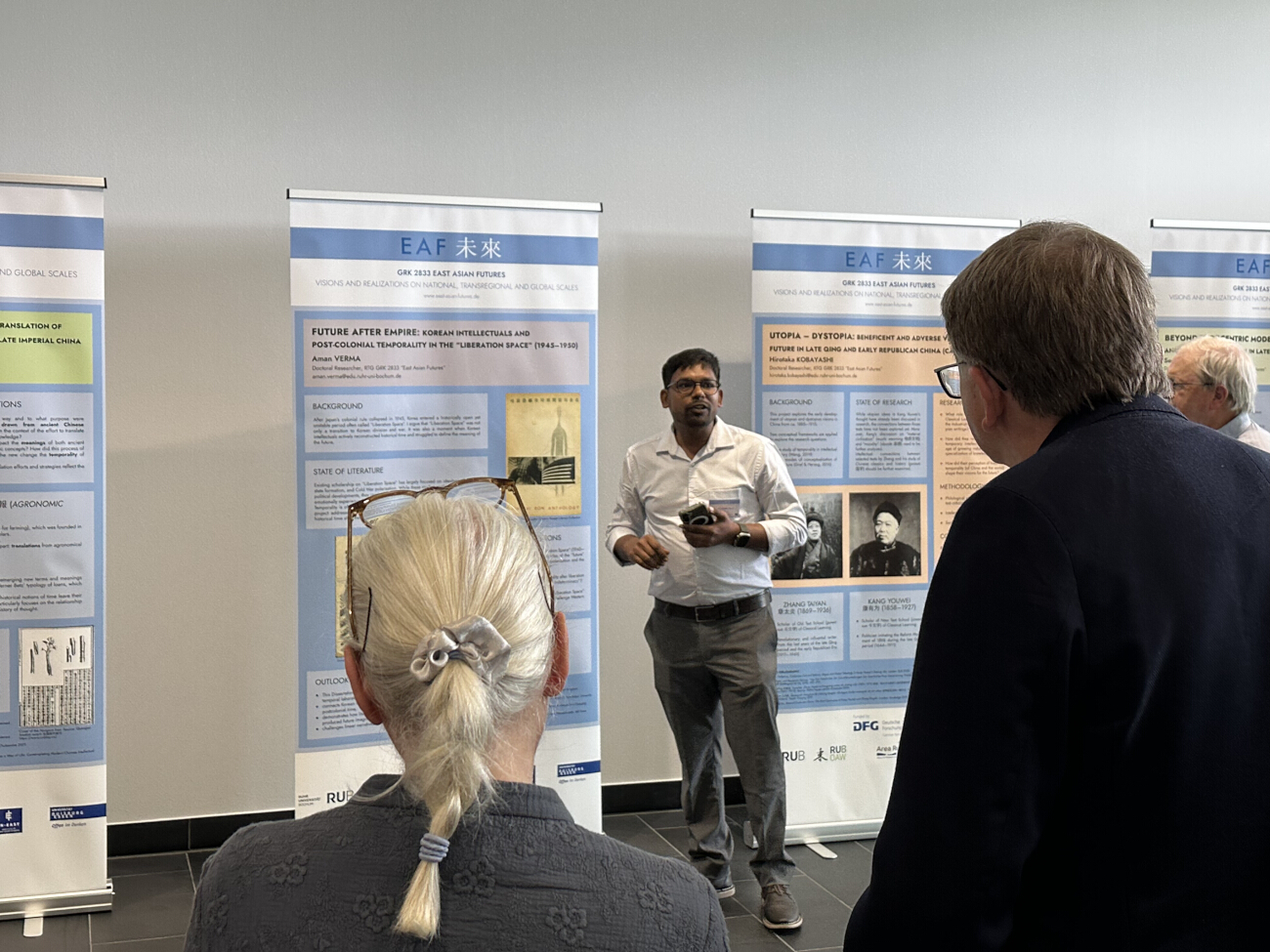
Tuesday began with words of introduction by the speakers Prof. Dr. Christine MOLL-MURATA and Prof. Dr. Markus TAUBE, before Panel 5, chaired by Prof. Dr. Marion EGGERT, opened with Seoyeon HAN (Beyond Eurocentric Modernity: Religious Temporalities and Future Imaginations in Late Nineteenth- and Early Twentieth-Century Korea) and Aman VERMA (Future after Empire: Korean Intellectuals and Postcolonial Temporality in the “Liberation Space”, 1945–1950), both discussed by Prof. LYNN. After Mr. VERMA’s presentation, Prof. LYNN played a song for the group to underscore his comments, while its lyrics touched on the idea that everything is only understood in retrospect.
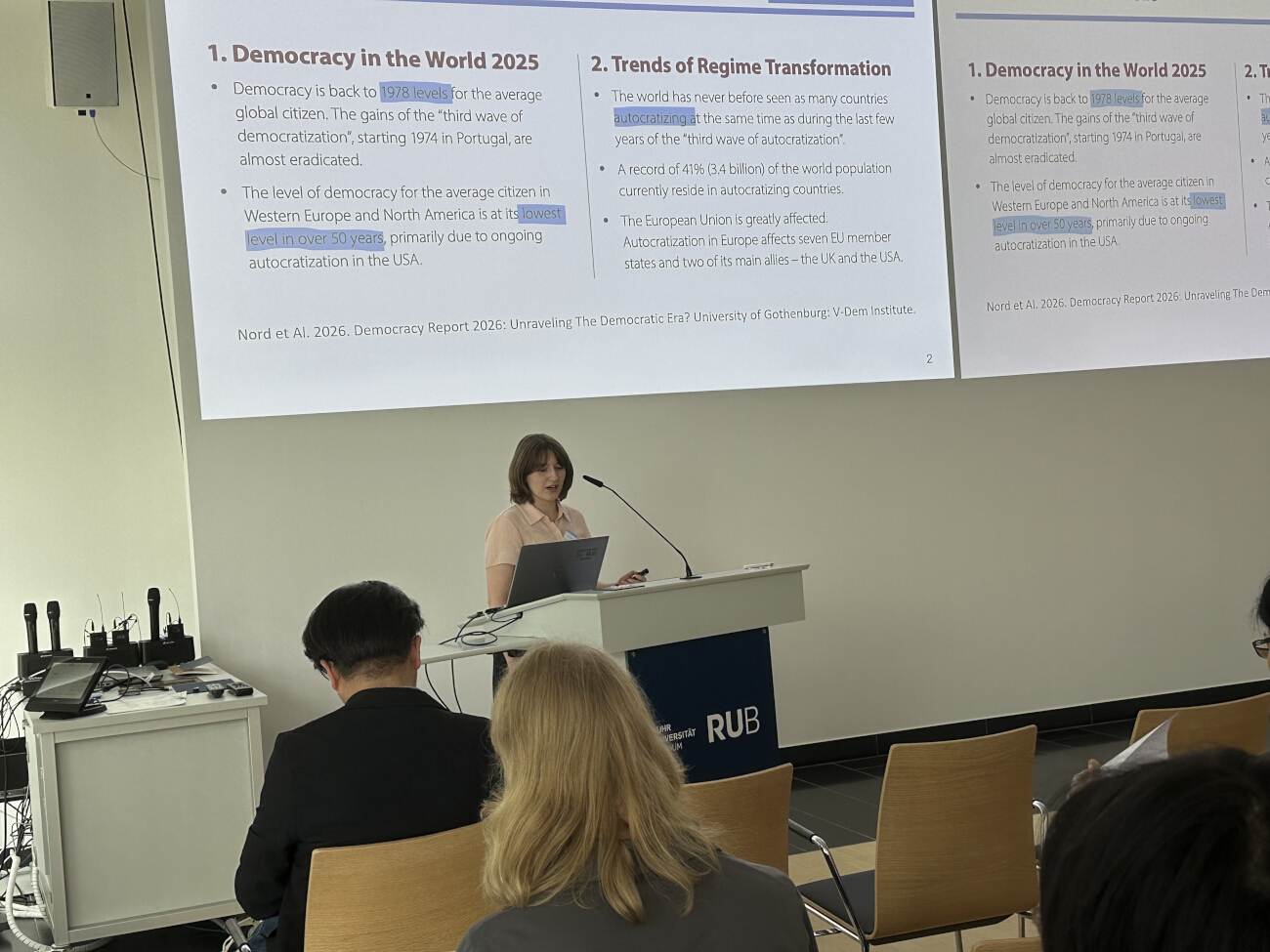
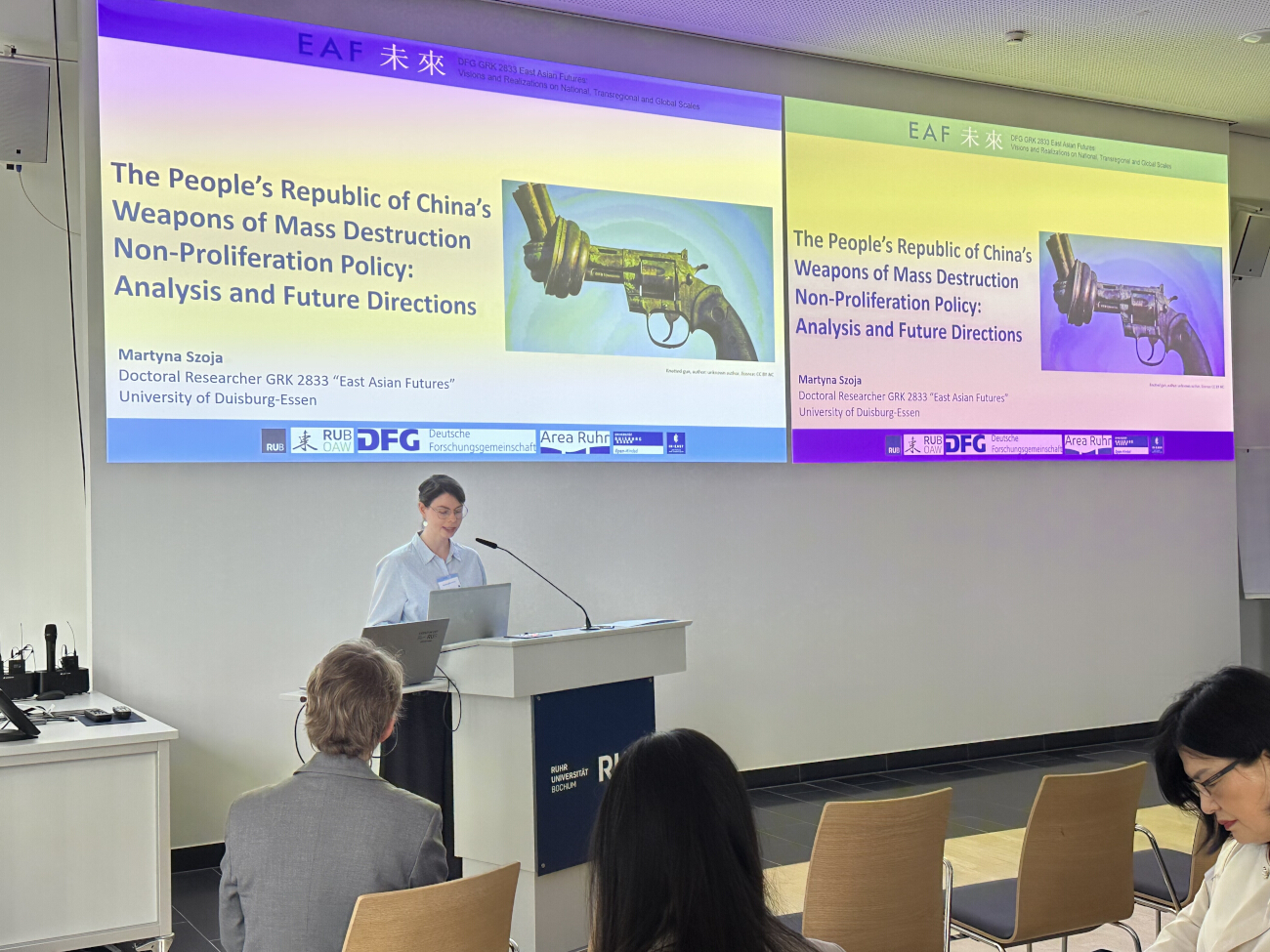
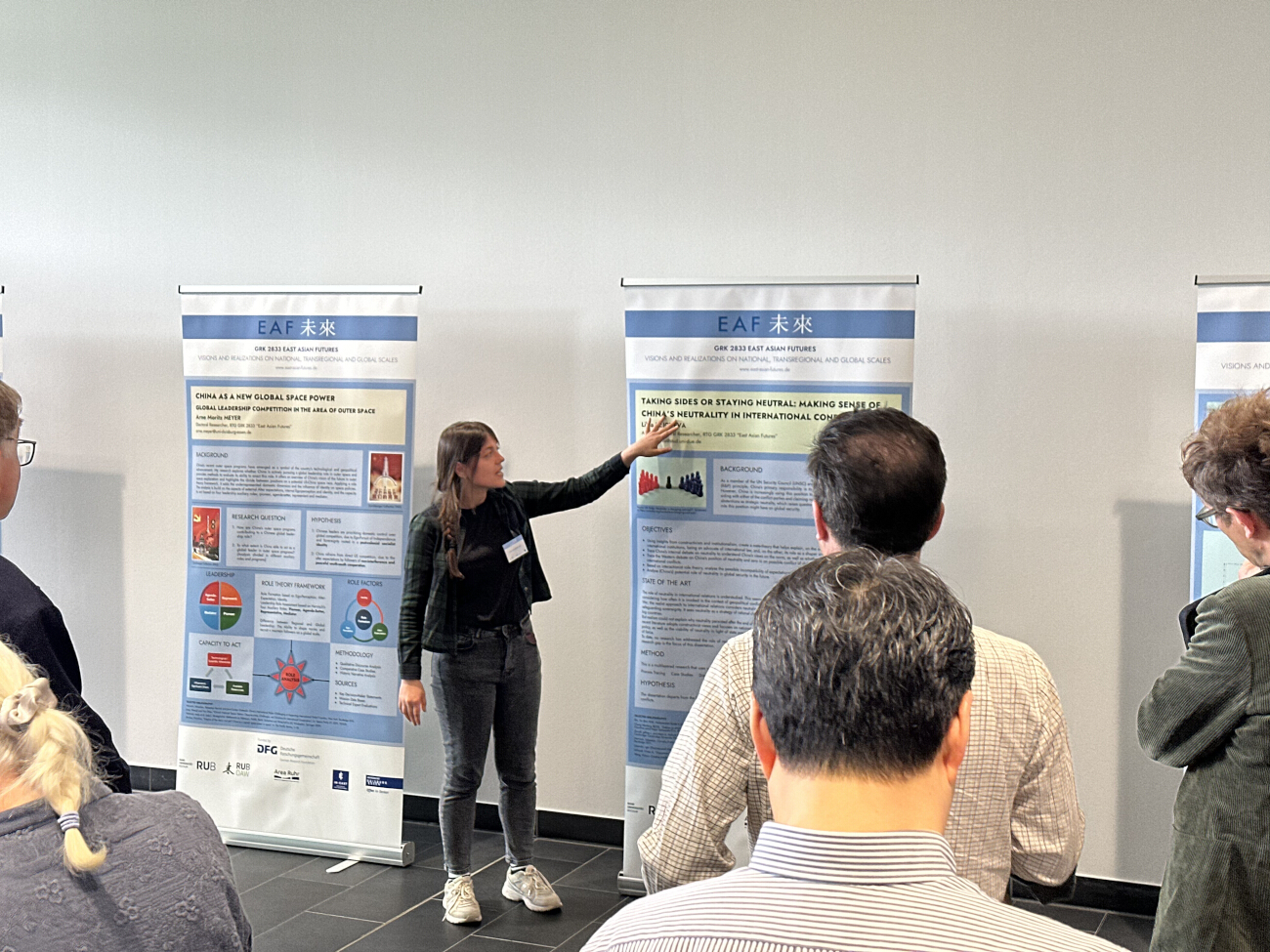
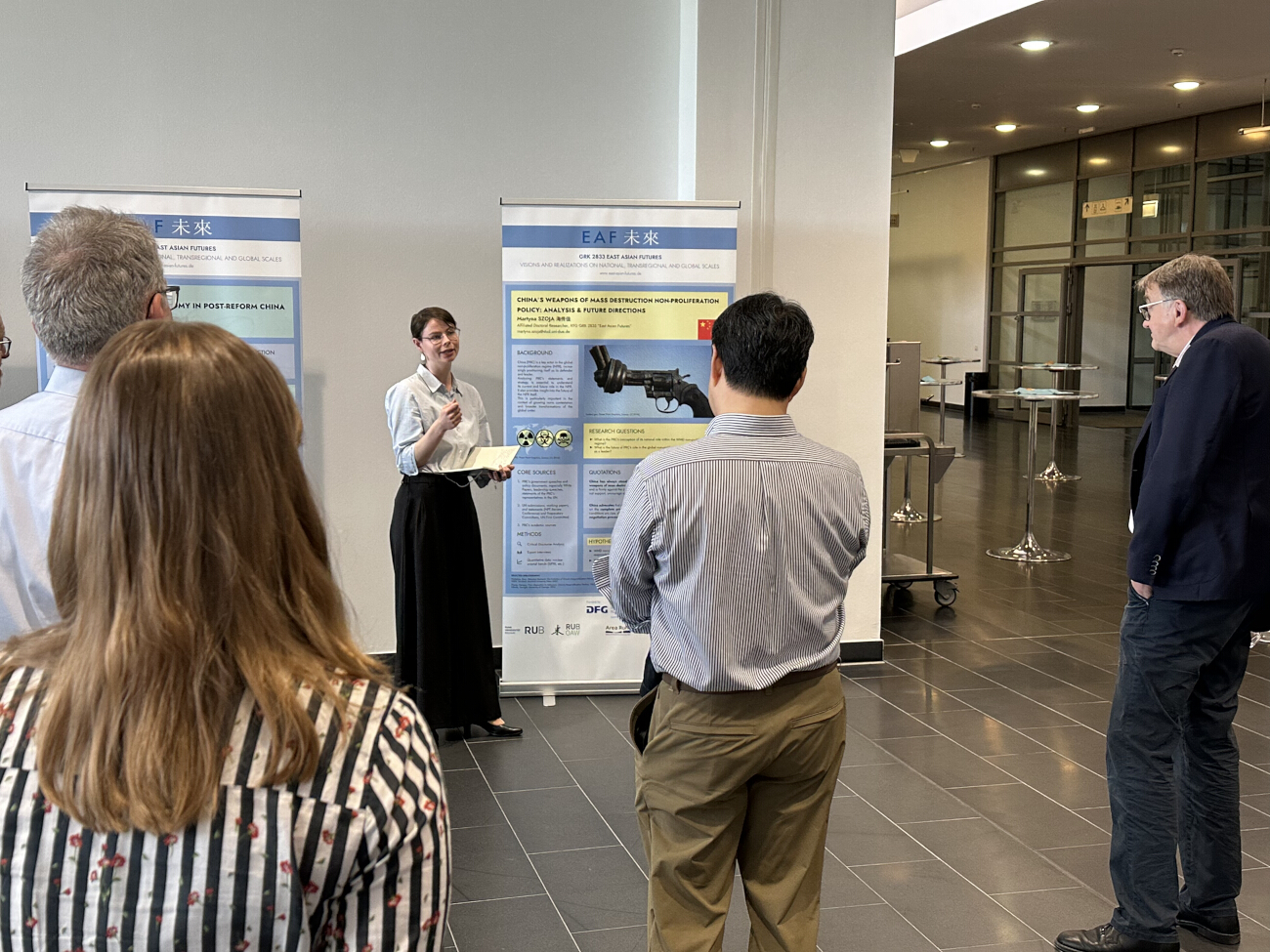
Panel 6, chaired by Prof. Dr. Nele NOESSELT, continued with Liliia PEICHEVA (Taking Sides or Staying Neutral: Making Sense of China’s Neutrality in International Conflicts) and Martyna SZOJA (The People’s Republic of China’s Weapons of Mass Destruction Non-Proliferation Policy: Analysis and Future Directions), both commented on by Prof. WOMACK.
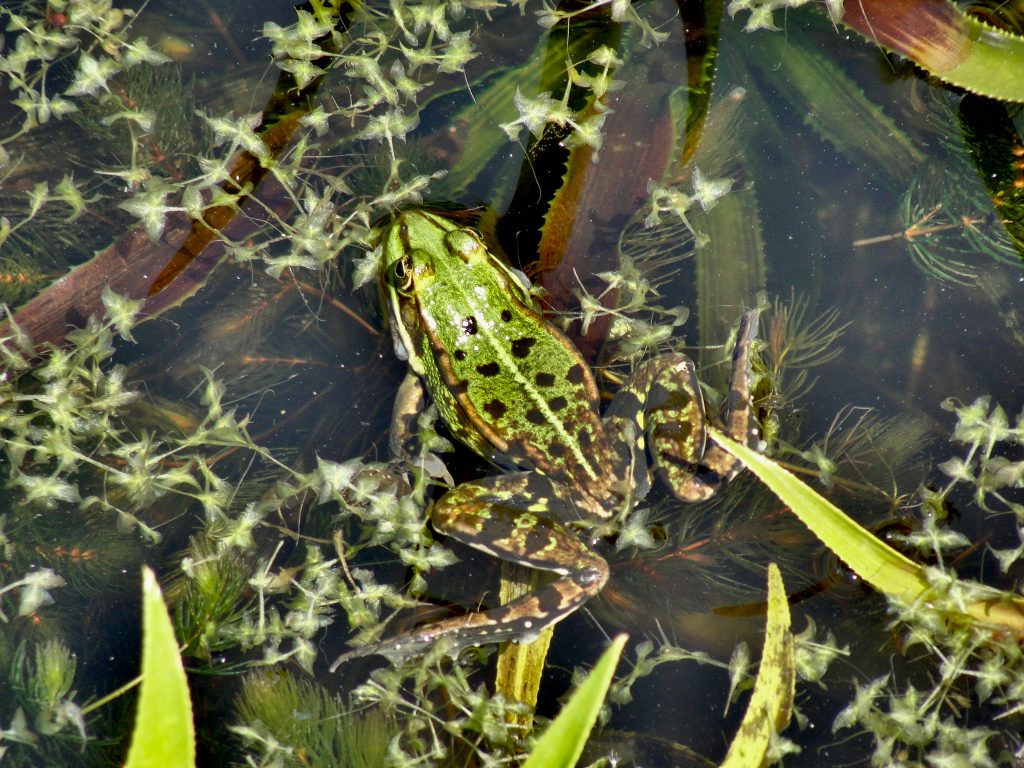
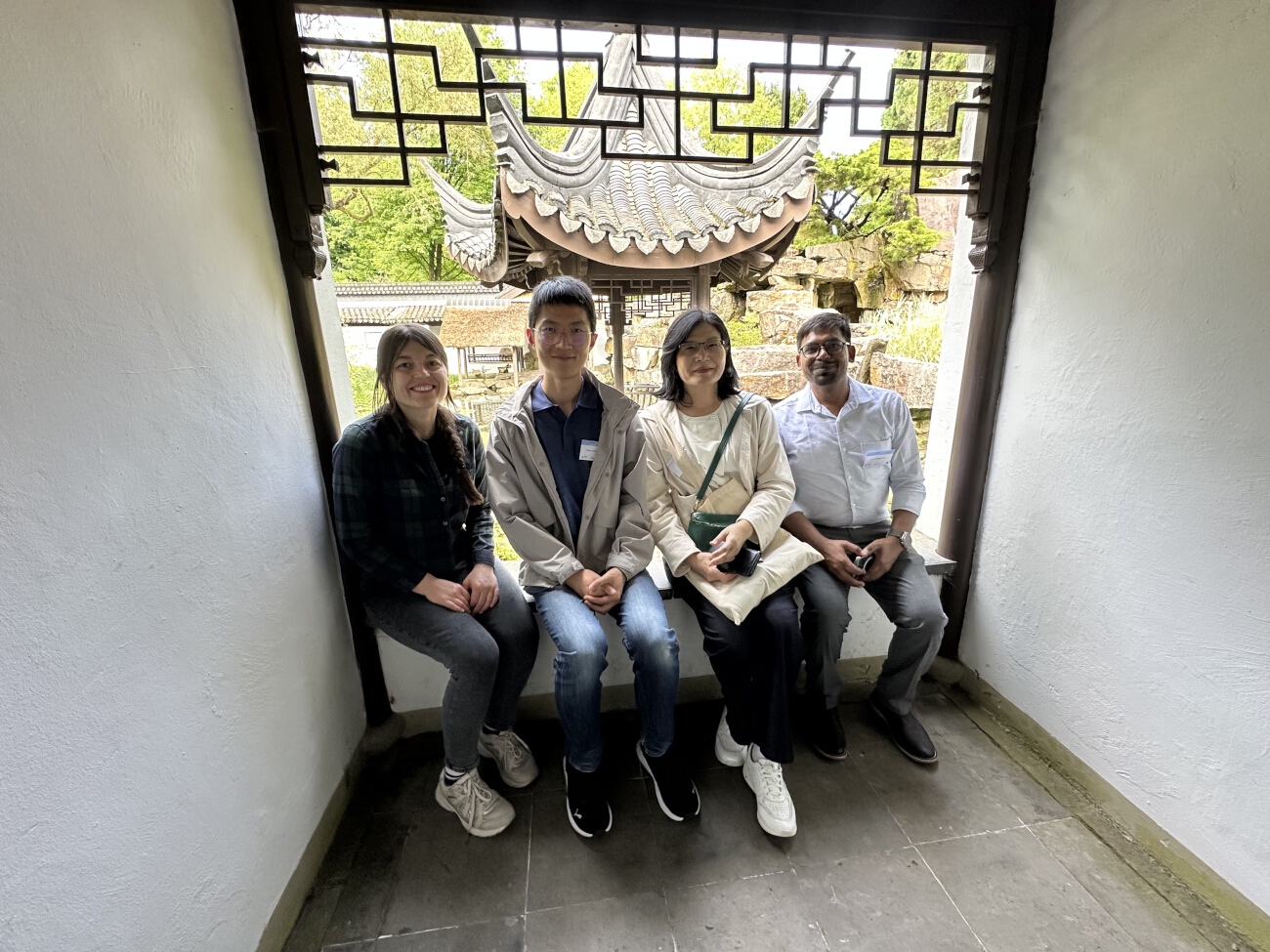
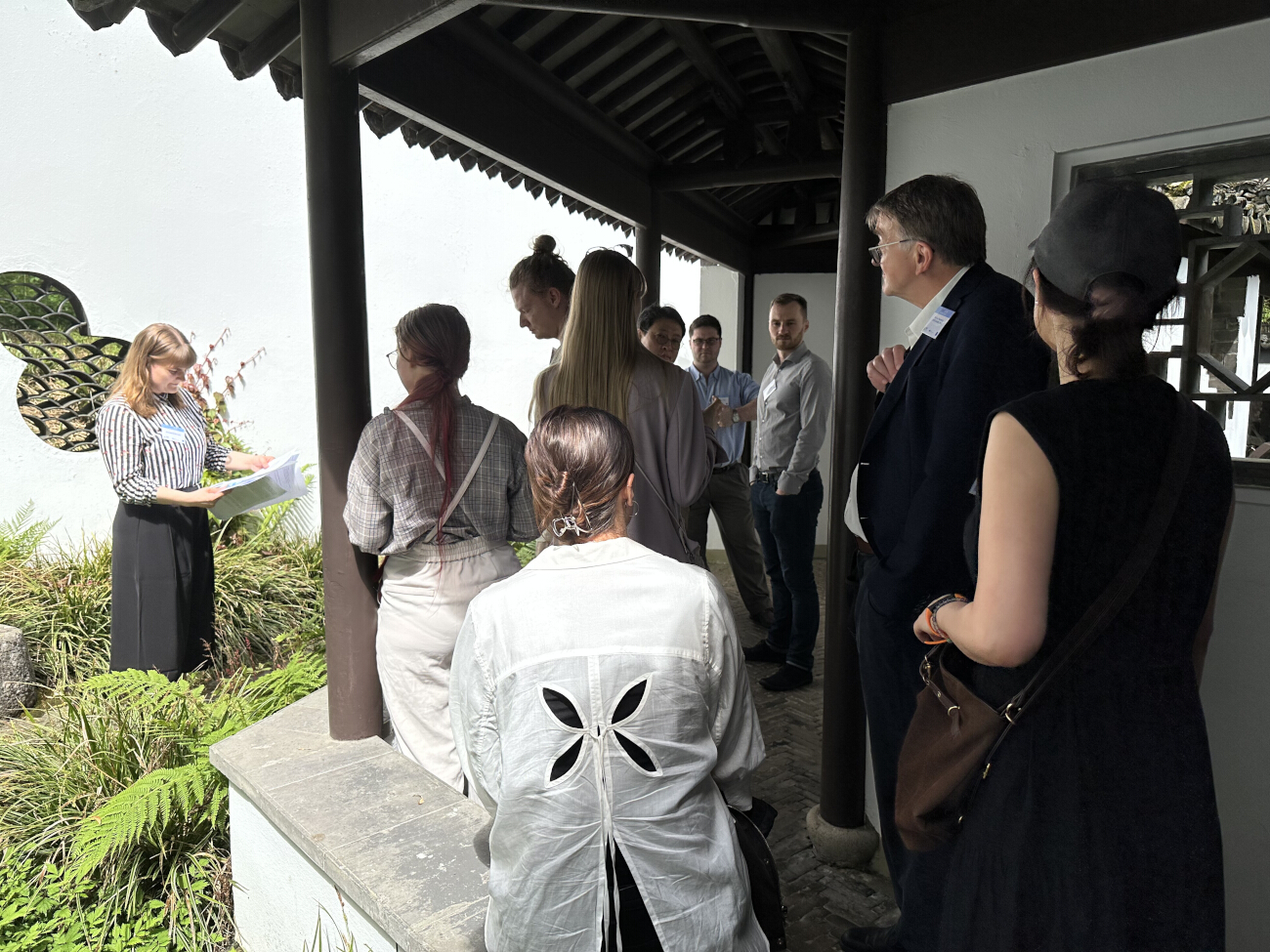
After lunch, the group took a tour of the Chinese Garden, splitting into two smaller groups for the occasion, one guided by the speaker Prof. Dr. MOLL-MURATA herself, the other guided by Anna-Maria RAU. Along the way, poems were recited, and much to everyone’s delight, a particularly charismatic frog made an appearance and stole a fair share of the attention.
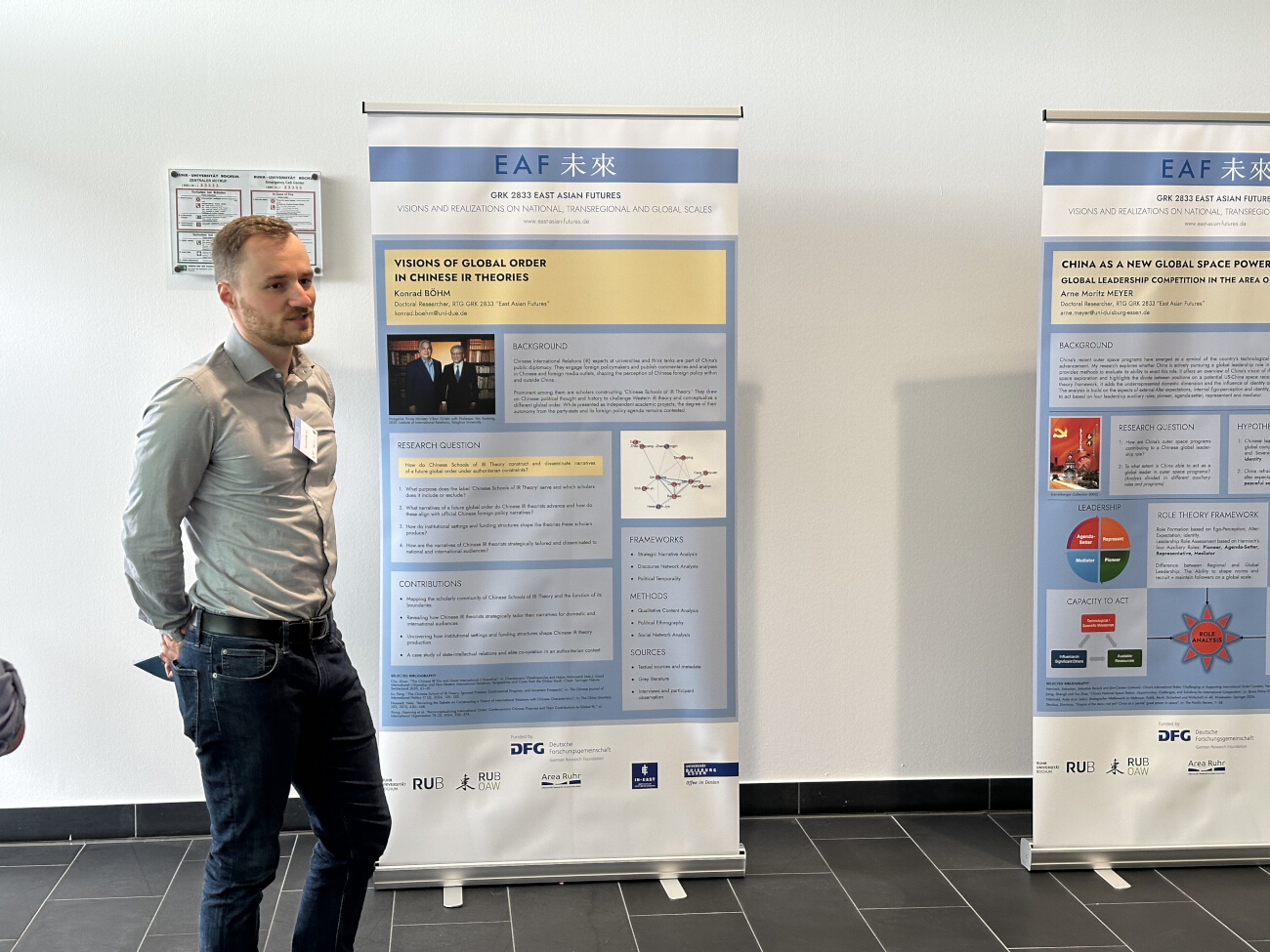
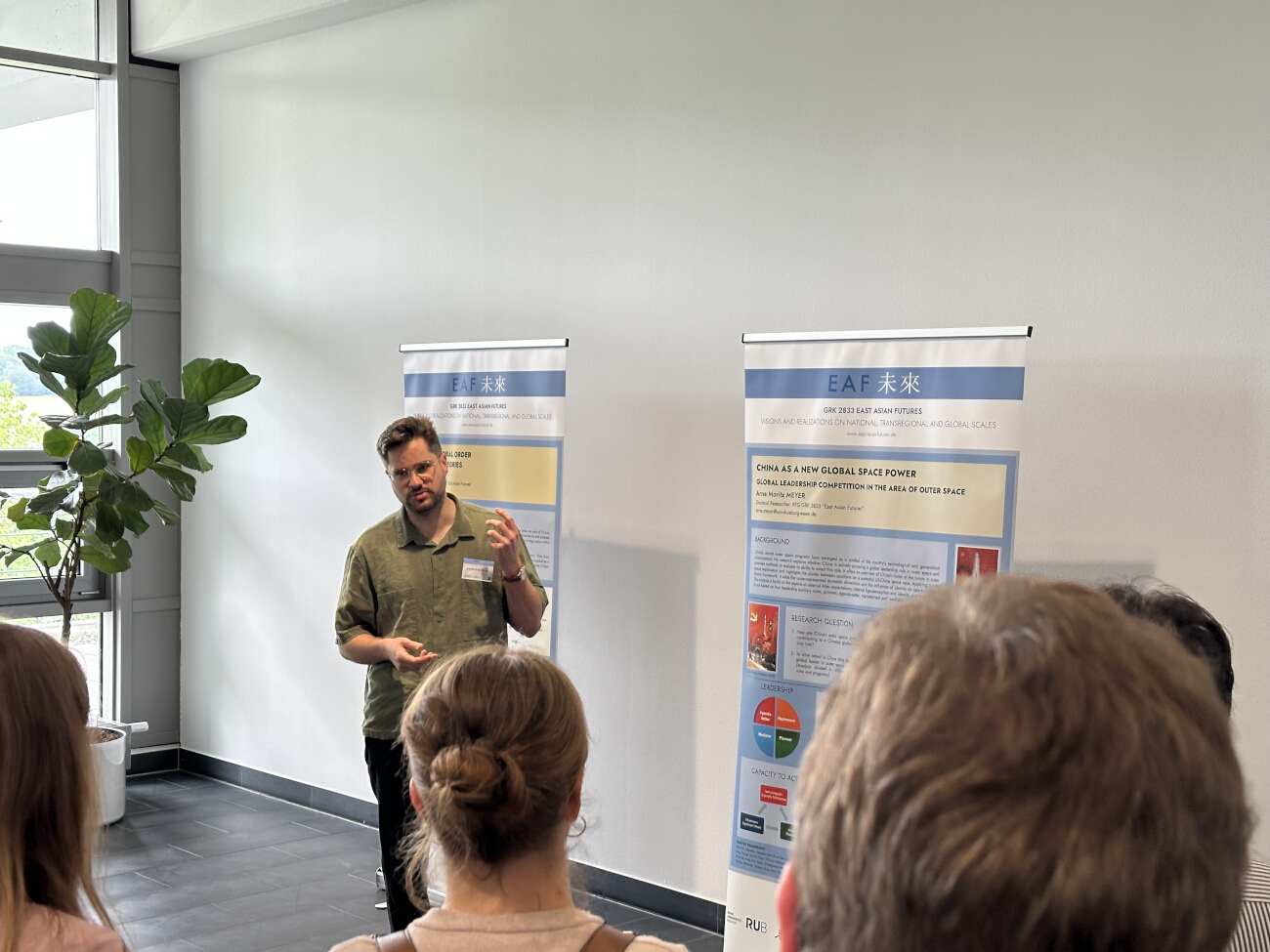
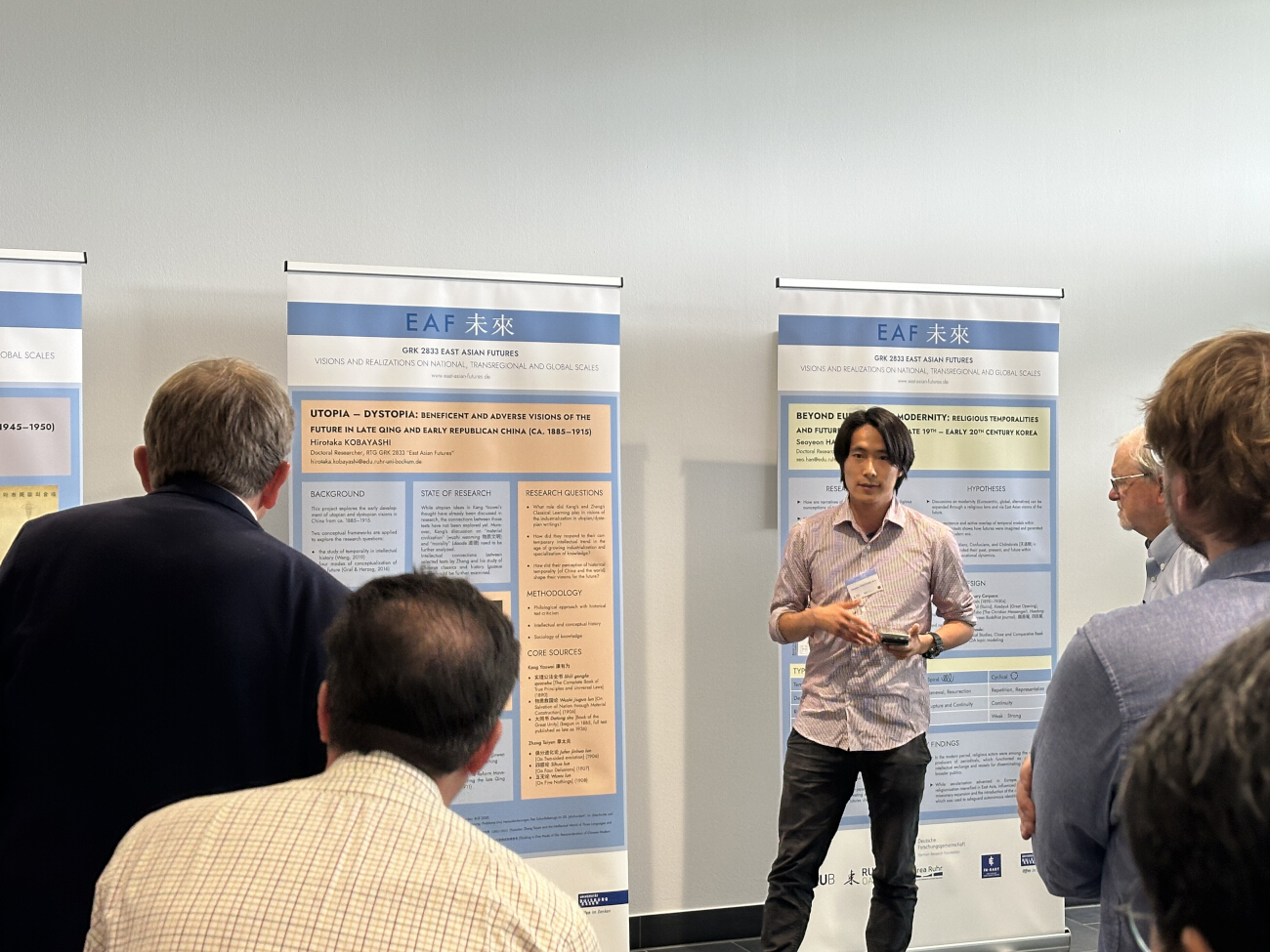
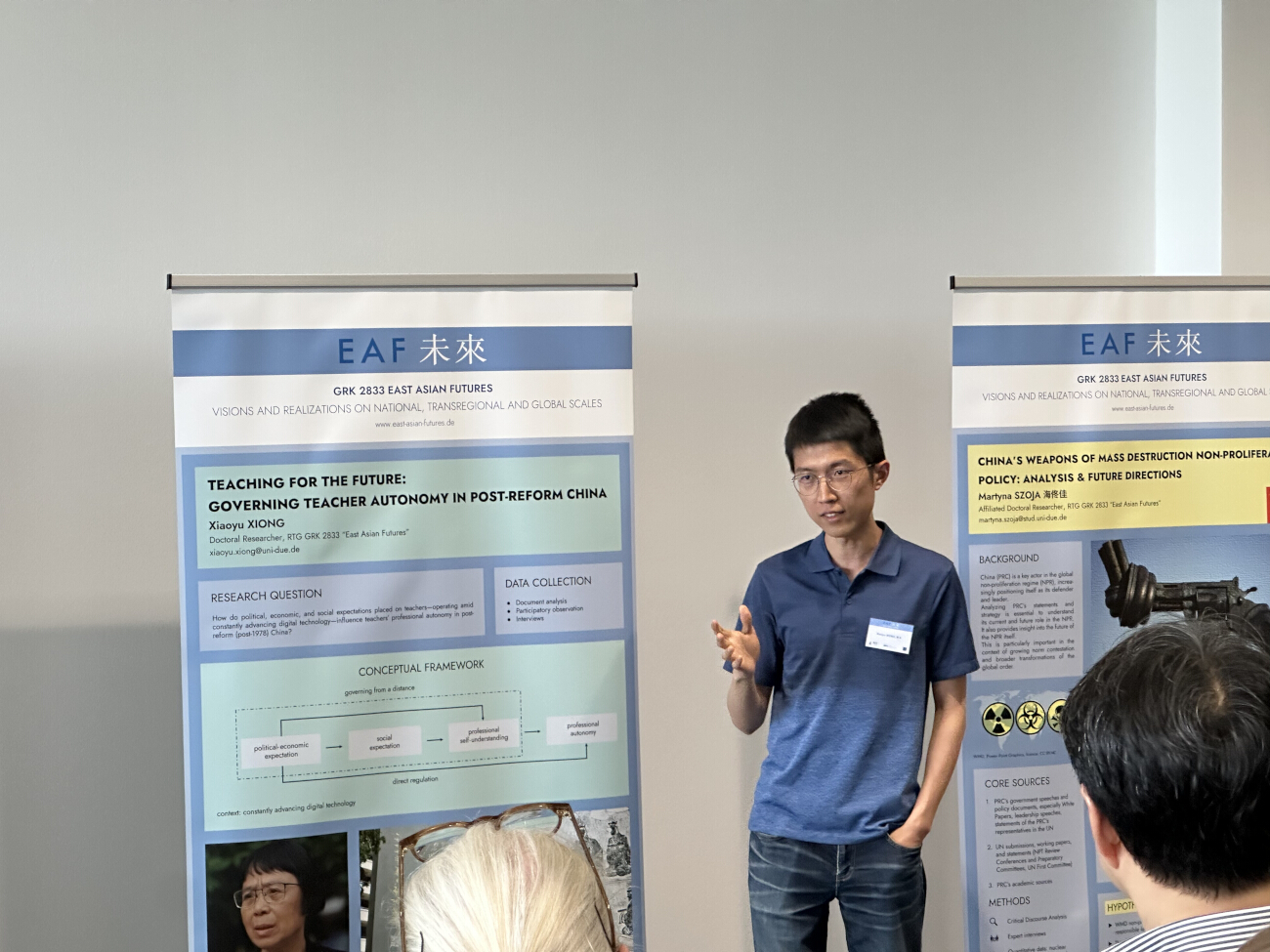
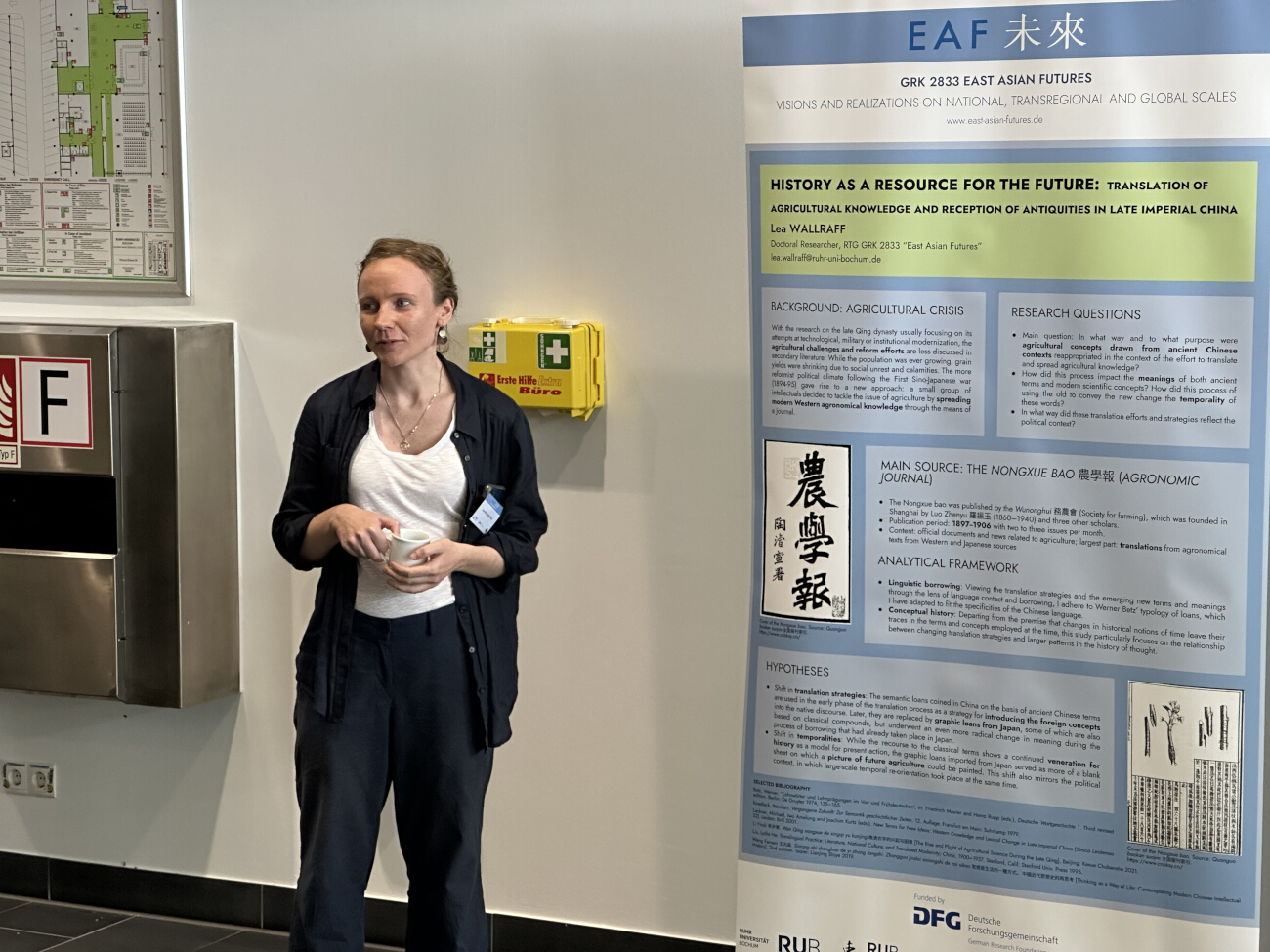
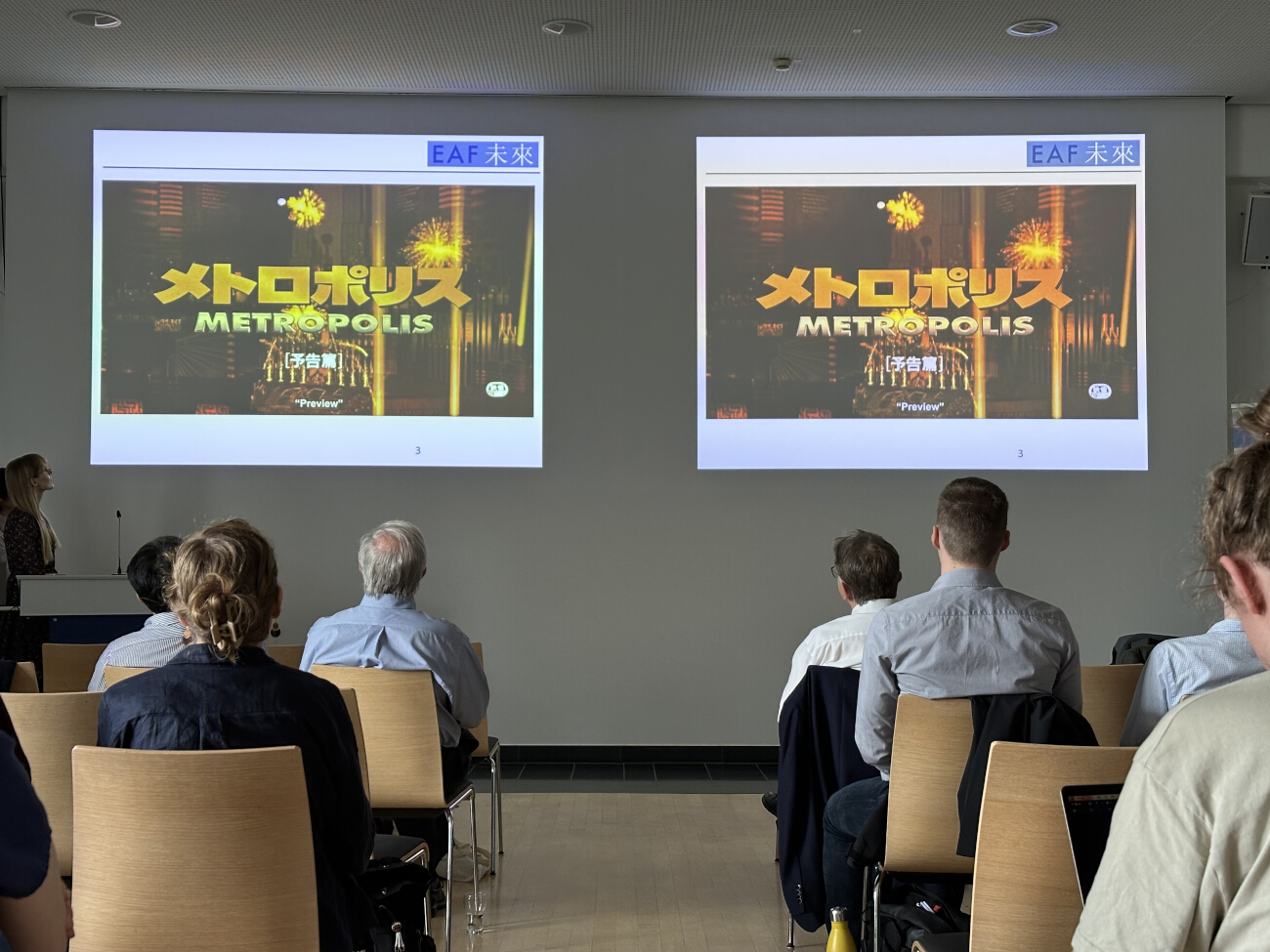
Back at the venue, Panel 7, chaired by Prof. Dr. Markus TAUBE, brought the two cohorts together for a general discussion and a poster show, in which the members of Cohort II presented the self-designed posters introducing their dissertation projects to the group. The day continued with a review of the 2026 Outreach Event, in which trailers for the respective films were presented. The groups, once again pointed out the connection to future, as well as future visions, presented in the films. The evening closed with a discussion of publication plans for the application for the second funding phase.
Day Three: Panels 8–10 and Concluding Discussion
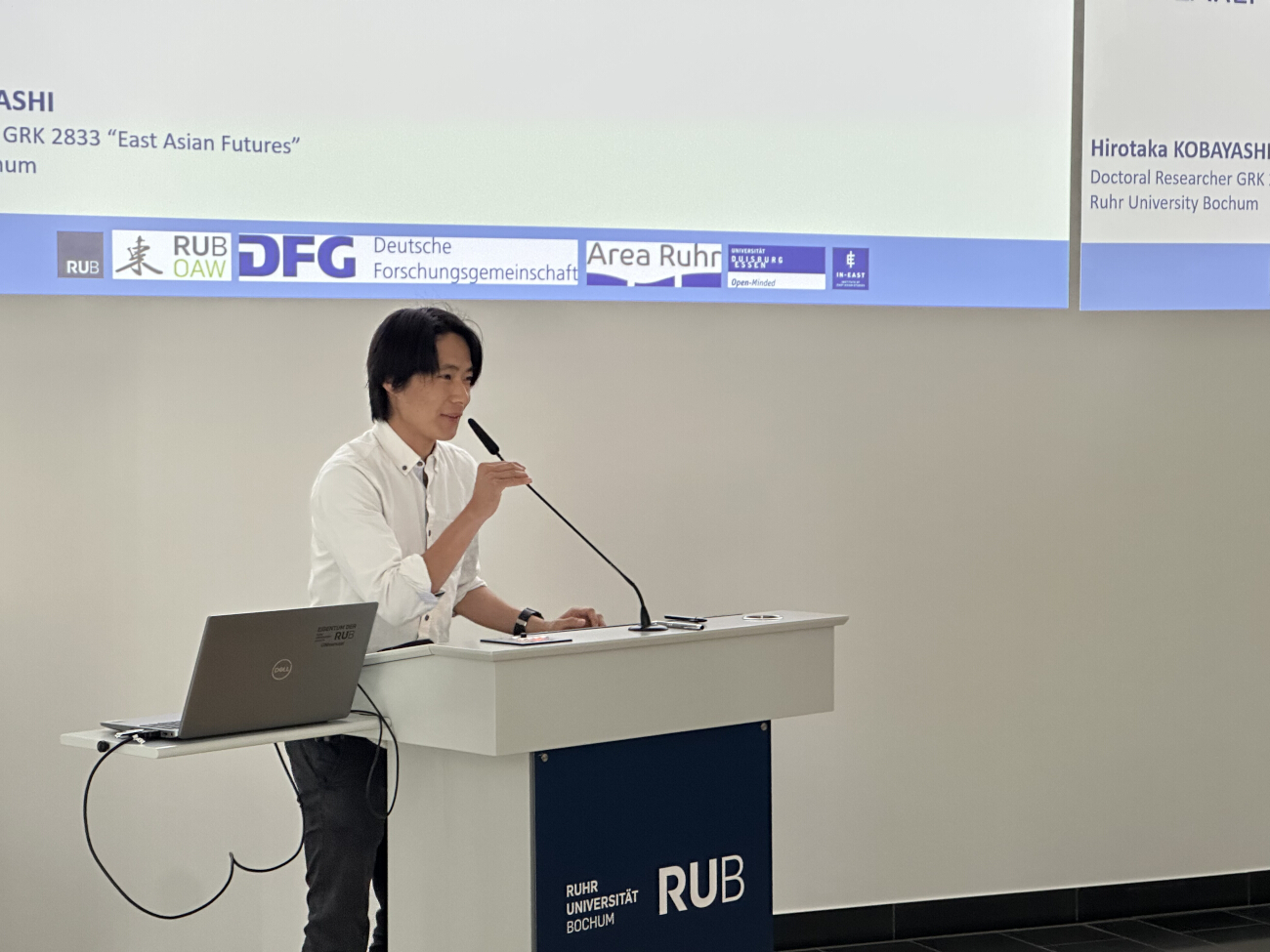
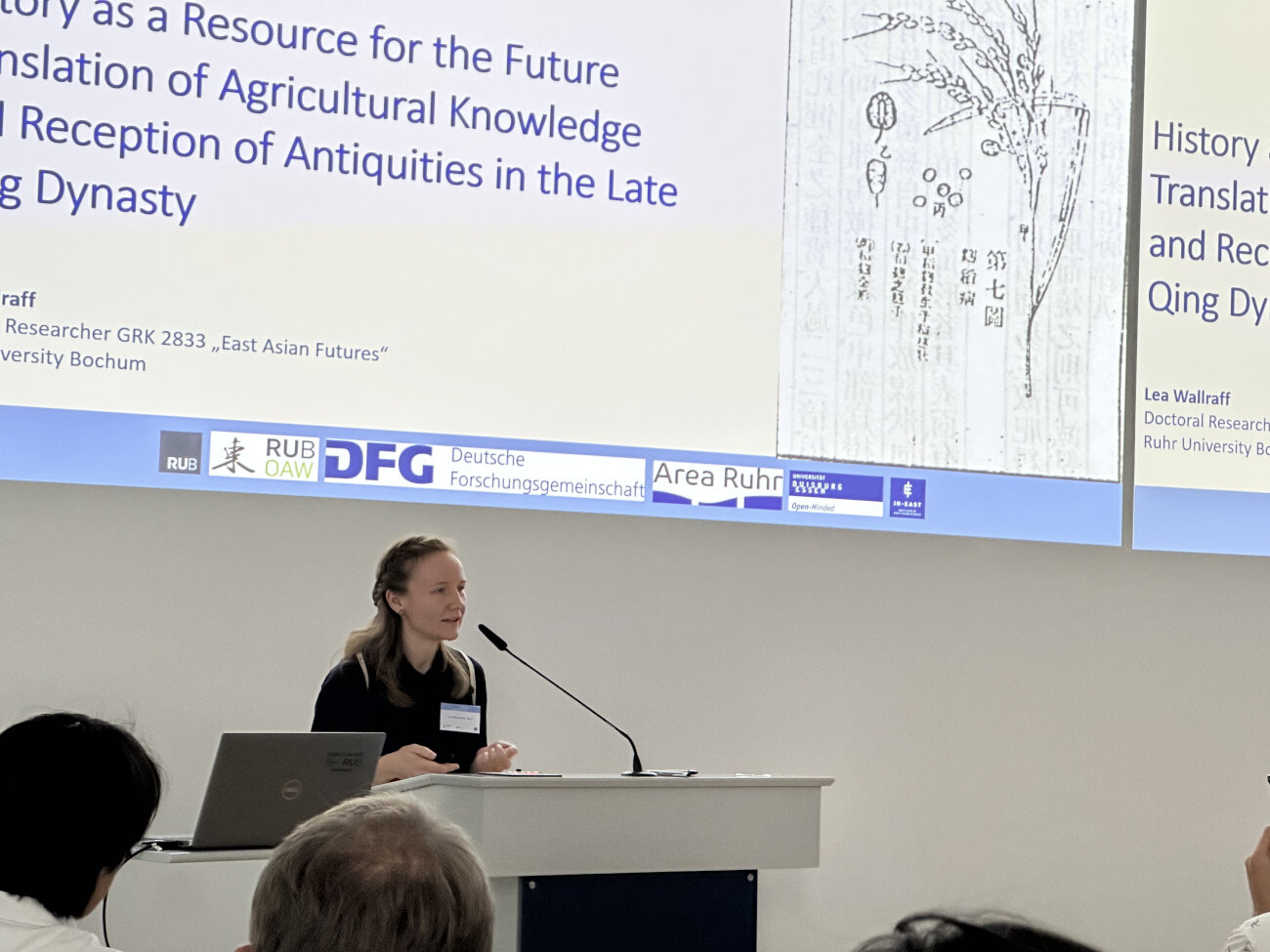
The final day opened with Panel 8, chaired by Prof. Dr. Sören URBANSKY, featuring Hirotaka KOBAYASHI (Utopia – Dystopia. Beneficent and Adverse Visions of the Future in Late Qing and Early Republican China, ca. 1885–1915) and Lea WALLRAFF (History as a Resource for the Future: Agricultural Reforms and Reception of Antiquities in Late Imperial and Early Republican China), both commented on by Prof. WU.
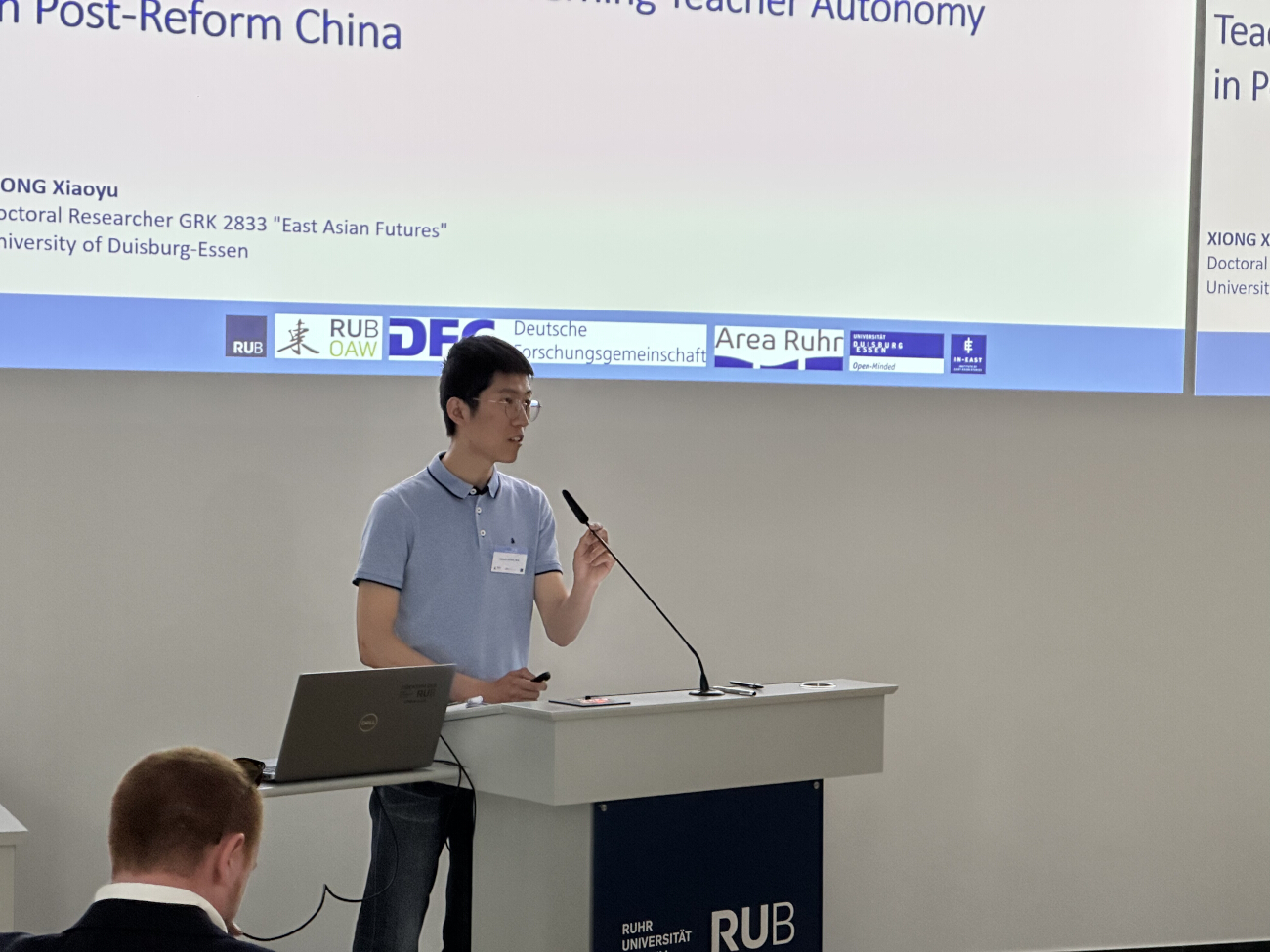
Panel 9, chaired by Prof. Richard J. COOK (Nankai University), featured Xiaoyu XIONG (Teaching for the Future: Governing Teacher Autonomy in Post-Reform China) and Konrad BÖHM (Propagating Chinese Visions of Order: Investigation into the Dissemination of Chinese IR Theories), both discussed by Prof. WOMACK. Commenting on Mr. XIONG’s project, Prof. WOMACK praised his application of Mao Zedong’s “theory of practice”, beginning from practice as a teacher, moving to theoretical reflection, and ultimately feeding the resulting insights back into practice.
The workshop’s final panel, Panel 10, chaired by Prof. Dr. Christian SCHWERMANN, featured Arne Moritz MEYER (China as a New Global Space Power: A Role Analysis in the Context of Global Leadership Competition in the Area of Outer Space). Commenting on the presentation, Prof. WOMACK thanked the organisers for arranging things so that the workshop ended “looking up”, which was a fitting nod to Mr. MEYER’s topic of outer space.
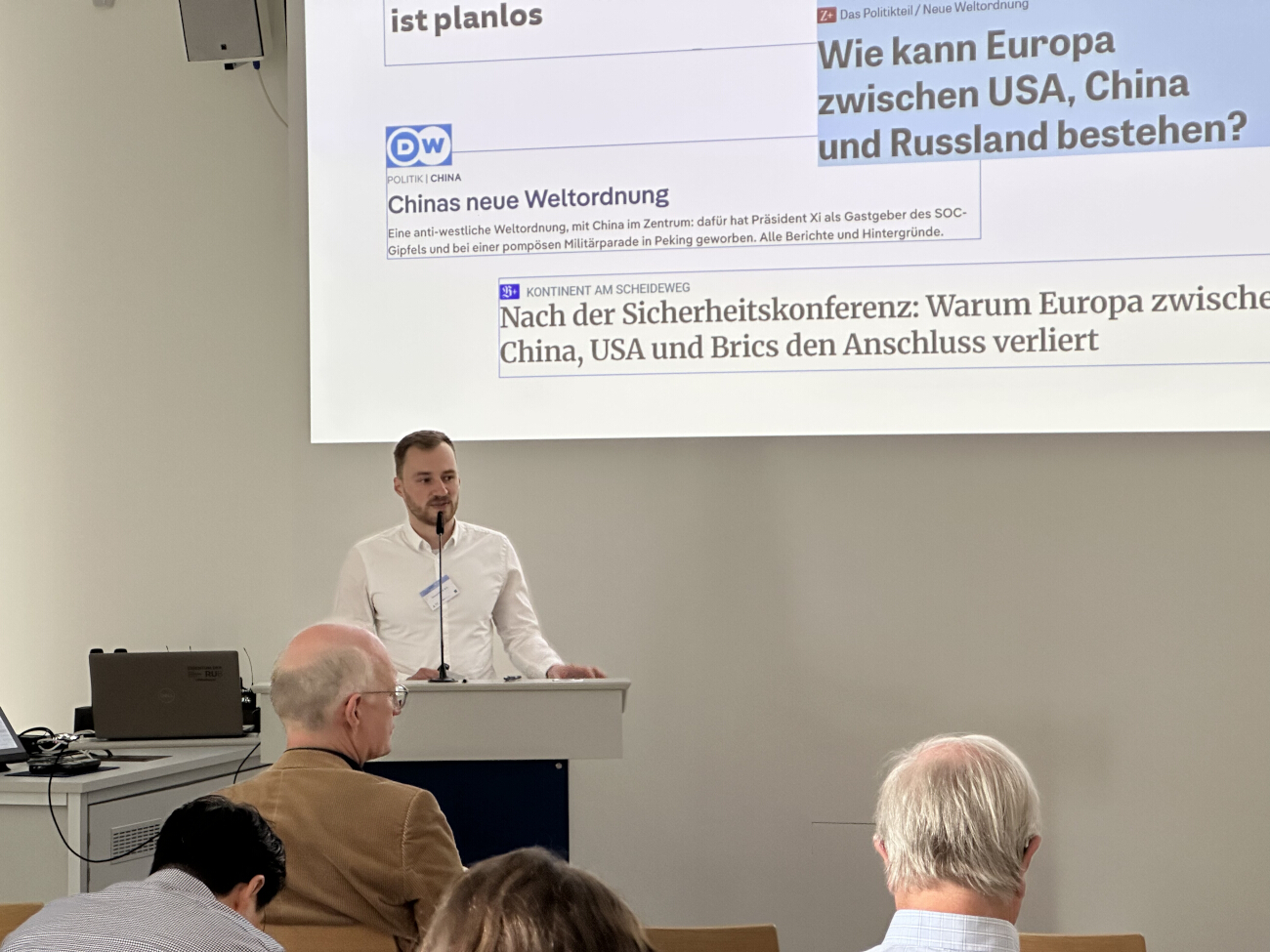
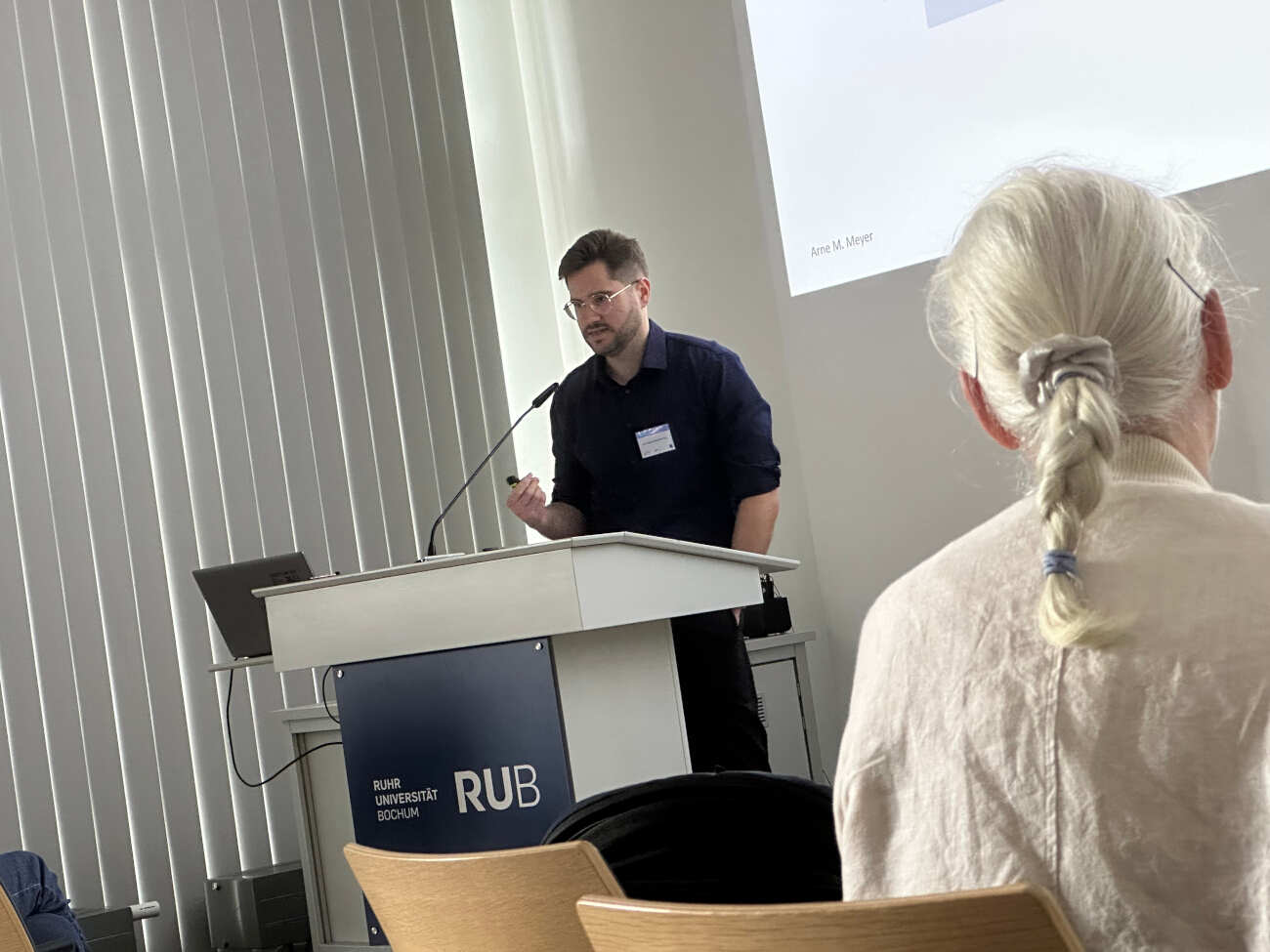
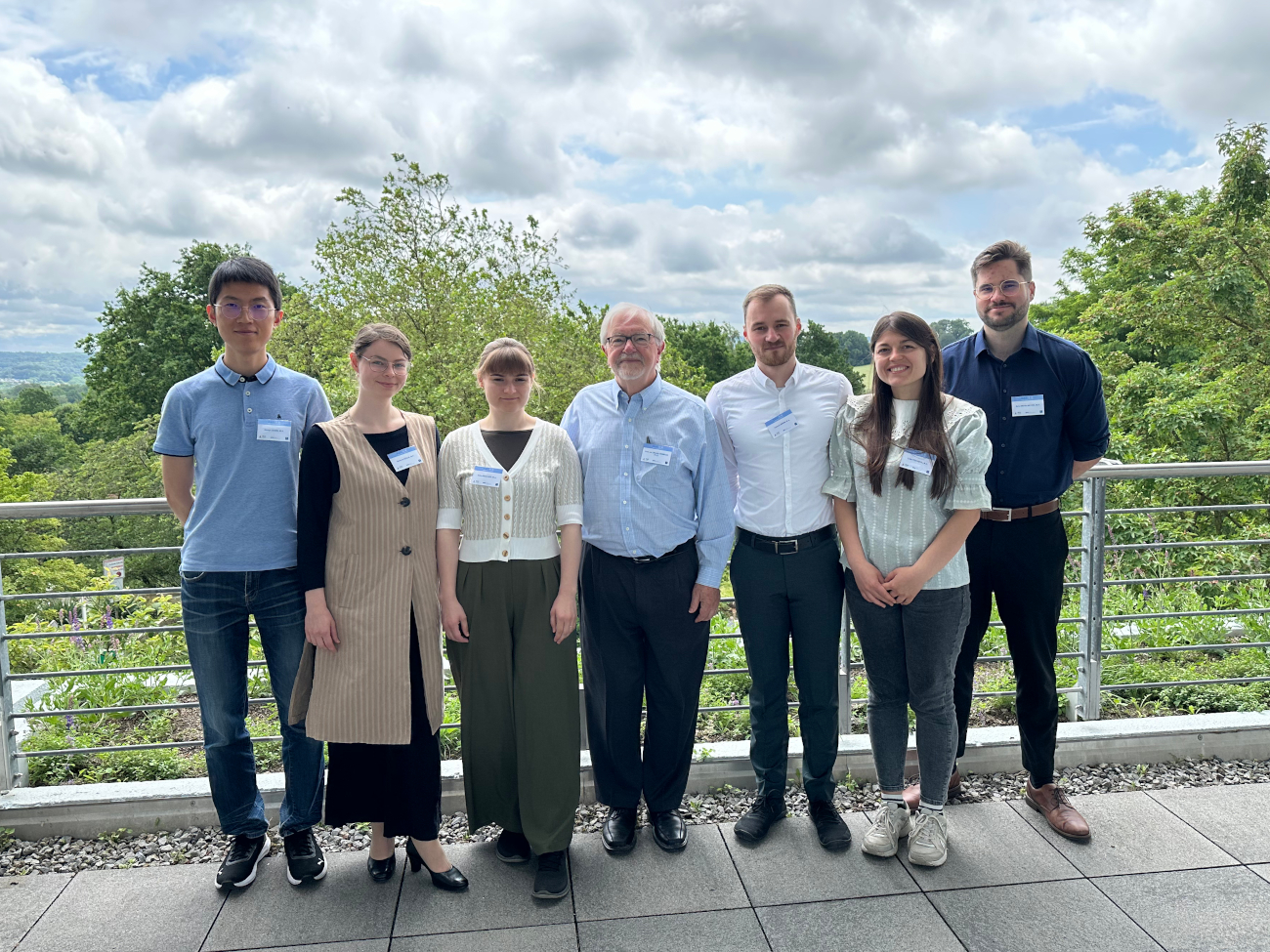
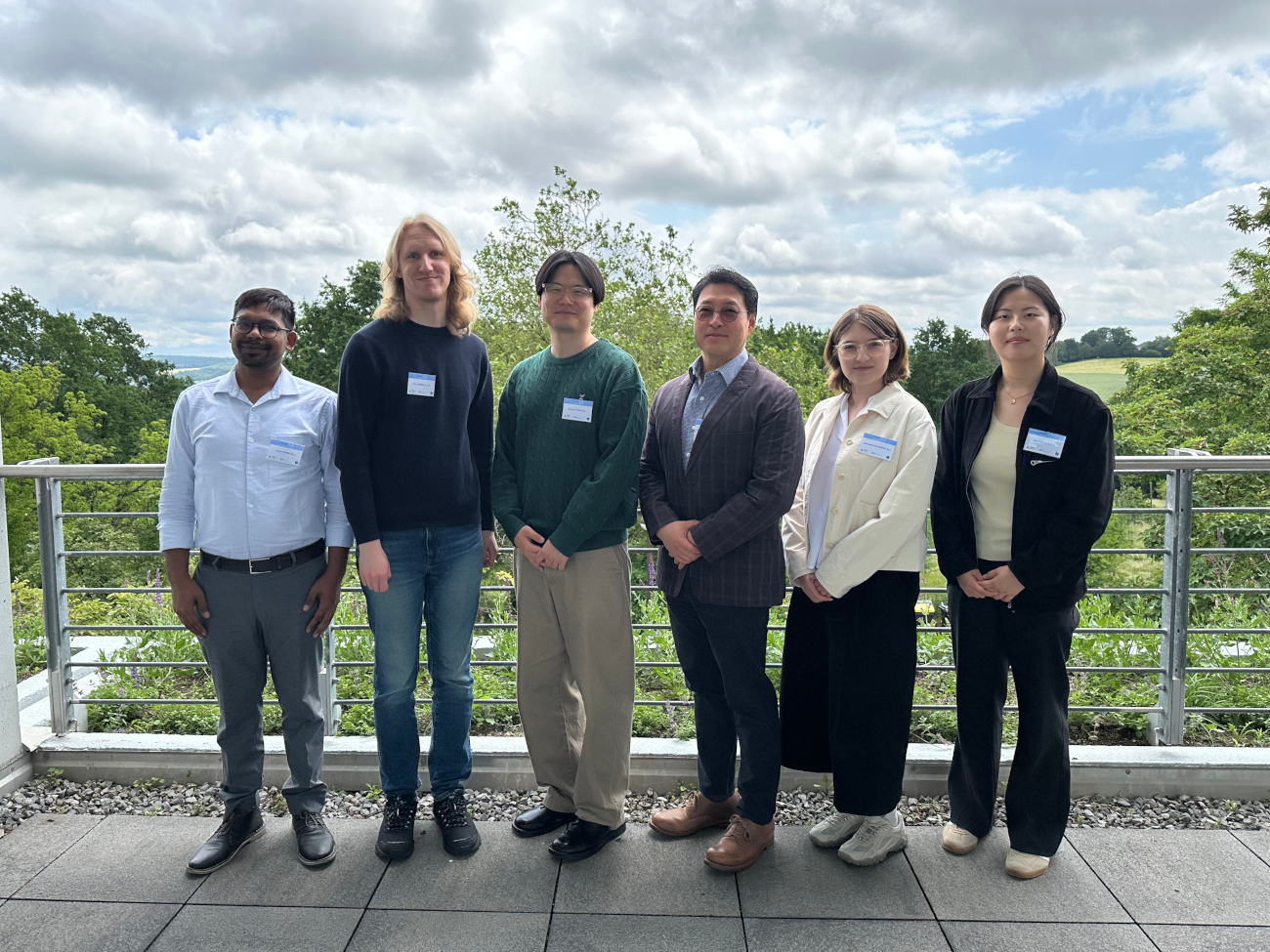
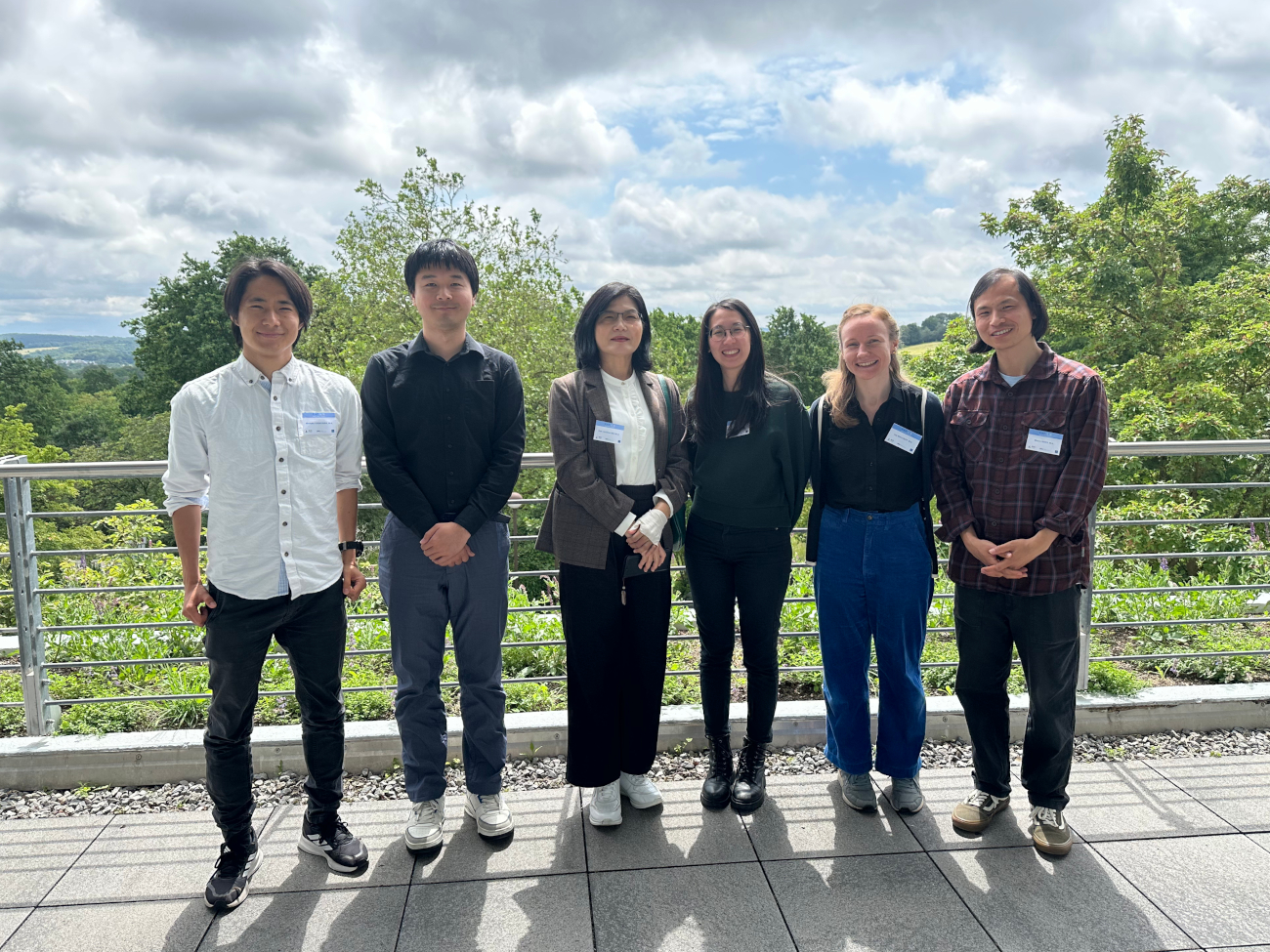
In the concluding discussion, participants exchanged constructive feedback on the three days. Prof. MOORE observed that, across the group’s many projects, the RTG is in effect writing its own chronology of how the future has been conceived and reimagined over time, a reminder of how the many individual projects, taken together, form a larger picture of how East Asian futures have been imagined across time. The workshop closed with a meeting of the Advisory Board.
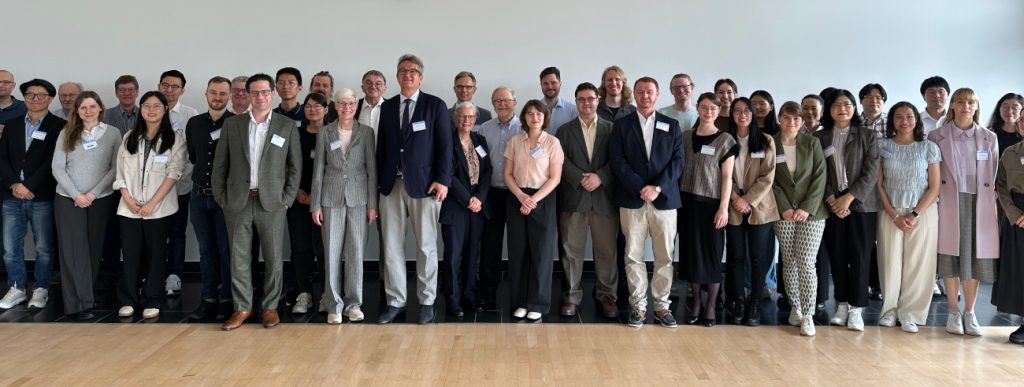
Having presented their first proposals, the researchers of Cohort II will now head into fieldwork to collect their data, with results to follow at the next Fieldwork Results Workshop in October 2027. Cohort I, meanwhile, is entering the final phase of their dissertations and will reconvene for the Final Results Workshop in June 2027. The Research Training Group GRK 2833 East Asian Futures looks forward to the next stage of its researchers’ shared insights into East Asian futures. We would like to thank all participants, including the organising team, the Mercator Fellows, and our esteemed guests, for their contributions to a successful workshop.