In March of 2026, postdoctoral researcher Qinqin PENG and doctoral student Pao-wen HUANG of the Research Training Group GRK 2833 “East Asian Futures” attended the Association of Asian Studies (AAS) Annual Conference in Vancouver, Canada.
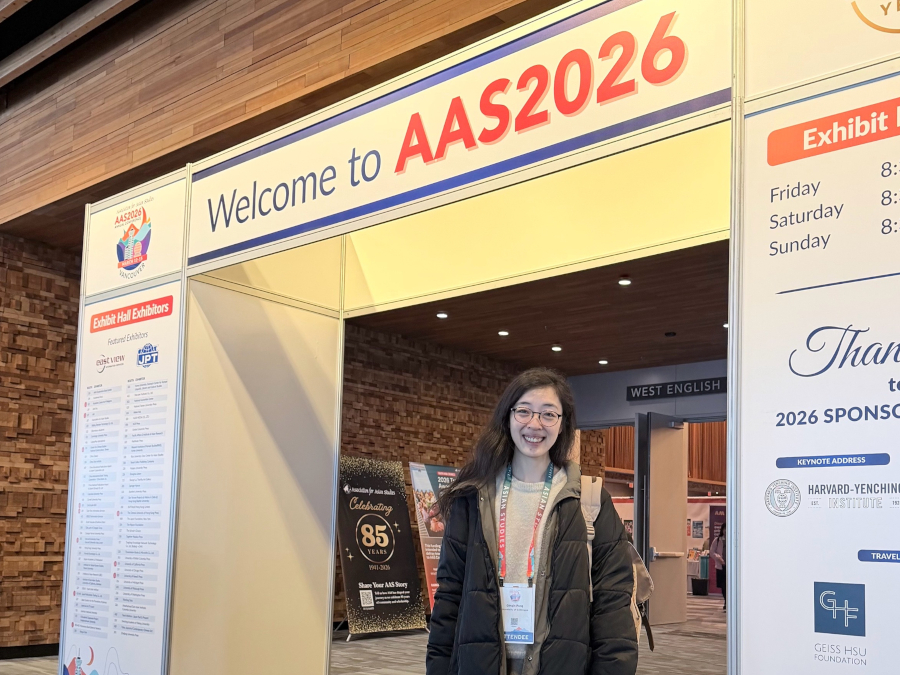
At the AAS Annual Conference (March 12–15, 2026), the largest conference for asian studies worldwide, with a wide range of panels offered, Ms. PENG sat on the panel “Constructing Cultural, National, and Religious Identities in the Modern Era: Case Studies of the Chinese (Re-) Shaping of A Modern Buddhism”, chaired by Philip Wei-li HSU (National Cheng Kung University). The panel presented a compelling set of case studies that illuminate how modern Buddhism in Chinese contexts has been actively reconfigured through processes of cultural negotiation, national positioning, and religious self-definition. Rather than treating “modern Buddhism” as a fixed category, the papers collectively showed how it emerged through interactions among reformist agendas, political pressures, and transregional exchanges. Ms. PENG presented her research on “Geyi (Matching Concepts): A Modern Narrative in Chinese Buddhist Historiography”.
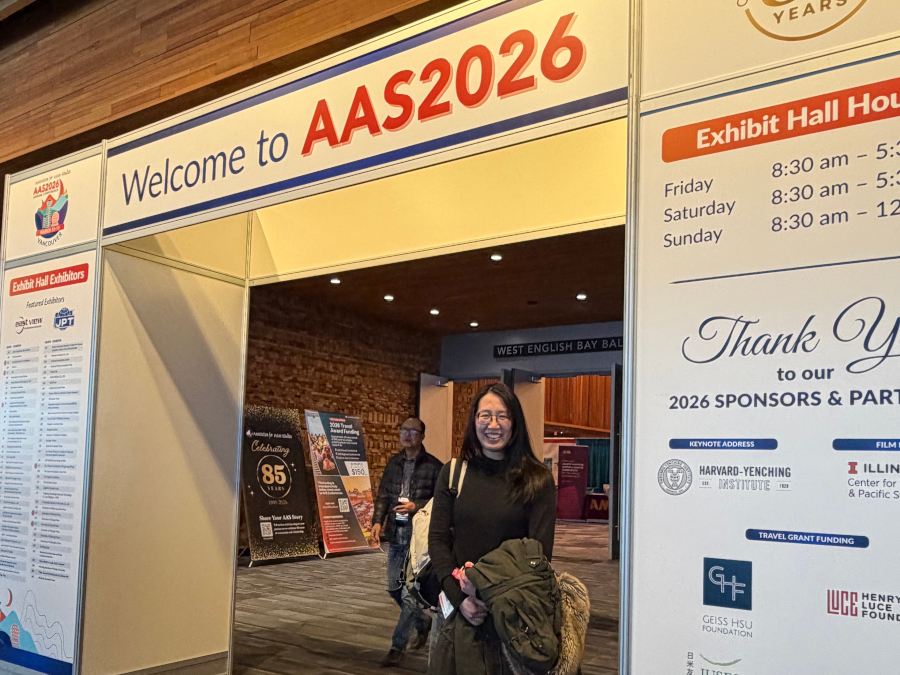
Ms. HUANG participated in a panel chaired by Rudolph NG, (University of Portsmouth), titled “Reorienting Taiwan: Capital, Migration, and Maritime Networks in a Global Frame”. As part of the panel, Ms. HUANG gave a talk on “The Taiwan Customs Commissioners and Shifting Tariff Policies in Japanese Colonial Rule (1895–1909)”, discussing the difficulties the Japanese government encountered in managing Taiwan’s tariff policy under colonial rule. The paper examines Taiwan’s tariff policy under Japanese colonial rule, particularly the delayed tariff unification with Japan between 1895 and 1911. It argues that this delay resulted from a complex interplay of international pressures, imperial ambitions, and colonial fiscal needs. Focusing on Taiwan’s Customs Commissioners, the study analyzes how these officials shaped and implemented tariff policy amid overlapping constraints. It further highlights how local administrative practices in Taiwan contributed to Japan’s broader imperial vision and influenced the dynamics of colonial governance.